


Alfred Rosenberg: Early Life and Influences
Alfred Rosenberg was born on **January 12, 1893**, in **Reval, then part of the Russian Empire** (now Tallinn, Estonia). His early life was marked by an interest in issues of national identity and racial theories, factors that would later play a significant role in his political ideologies. Rosenberg, who moved to Germany for his education, embraced the burgeoning nationalist and anti-Semitic rhetoric of the time, which would become foundational to his future career in the Nazi Party.
Rosenberg's Rise in the Nazi Party
Rosenberg joined the **German Workers' Party** in 1919, which laid the groundwork for the Nazi Party’s establishment. He quickly rose through the ranks due to his writings and propaganda work. As a leading ideologue of the Nazi regime, he became the author of the party's racial manifesto, promoting ideas of Aryan supremacy that had dire implications for millions.
Rosenberg's Contributions to Nazi Ideology
Rosenberg is perhaps best known for his book, *The Myth of the Twentieth Century*, published in 1930. This work combined various elements of **nationalism, racism, and anti-Semitism** into a coherent narrative that justified Nazi policies. His notions of racial purity shaped the cultural and political landscape of Nazi Germany, influencing laws against Jews and other minorities.
The Role of Alfred Rosenberg during WWII
During World War II, Alfred Rosenberg held significant positions, including serving as the **Nazi Party’s Reich Minister for the Occupied Eastern Territories**. His policies aimed to Germanize Eastern Europe and were characterized by brutal treatment towards those deemed inferior, especially Jews and Slavs, resulting in countless atrocities.
Rosenberg's Influence on Occupied Territories
In his role, Rosenberg was instrumental in implementing Nazi plans that involved stripping cultural and economic resources from conquered nations. He attempted to reshape their societal structures to fit Nazi ideologies, leading to widespread suffering and displacement.
The Downfall of Alfred Rosenberg
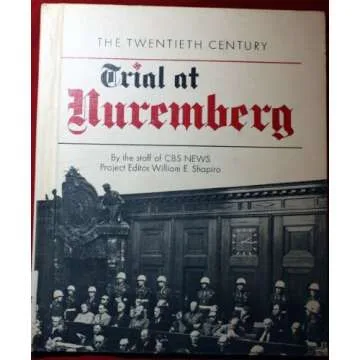
After the fall of Nazi Germany, Alfred Rosenberg was captured and tried at the **Nuremberg Trials**. He faced charges of war crimes and crimes against humanity for his contributions to the Nazi regime’s policies. In 1946, he was sentenced to death and executed, a stark reminder of the dire consequences of extremist ideologies.
Fun Fact: Alfred Rosenberg's Writings and Legacy
An Interesting Fact about Alfred Rosenberg
Despite his prominent role, Alfred Rosenberg fell out of favor within the Nazi hierarchy, and his theories often clashed with those of other leaders, most notably Heinrich Himmler, indicating rifts in Nazi ideological beliefs.
Additional Resources
Recommended Reading on Alfred Rosenberg
For those interested in exploring more about Alfred Rosenberg and his influence in Nazi Germany, consider reading *The Myth of the Twentieth Century* and *Nazism and the Occult* which delve into his controversial ideas and their impact on the Nazi regime.









 Continue with Google