


The Case of Richard Marshall
Amnesty International's Intervention
In 1981, Amnesty International made a significant move by accusing the United States government of holding Richard Marshall, a member of the American Indian Movement, as a political prisoner. This controversial case highlighted issues of injustice and systemic oppression against Native Americans during a tumultuous period in U.S. history.
The Allegations of Misconduct
The charges brought by Amnesty International emphasized serious allegations of official misconduct throughout both the investigation and the trial of Richard Marshall. These criticisms pointed to a broader issue regarding the treatment of Native Americans in the American legal system, raising eyebrows and igniting discussions about civil rights and political freedom.
Historical Context of the American Indian Movement
Richard Marshall's Role in the Movement
Richard Marshall, an active participant in the American Indian Movement, was part of a larger effort to bring attention to the plight of Indigenous peoples across the United States. The 1970s and 1980s saw a rise in activism aimed at challenging government policies that marginalized Native communities.
Implications of Political Imprisonment
The situation surrounding Richard Marshall underscored a critical conversation about political imprisonment and the struggle for Indigenous rights. It not only spotlighted individual cases but also represented a larger fight against systematic injustices faced by Native Americans.
Fun Fact
Marshall's Lasting Impact
Despite the hardships Richard Marshall faced, he became a symbol of resilience and activism among Indigenous communities. His case continues to inspire advocates and raise awareness around political prisoner issues in the context of race and justice.
Additional Resources
Recommended Reading on Political Prisons in the U.S.
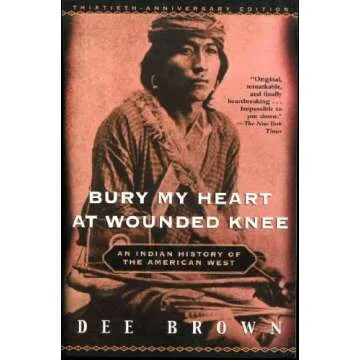
For those looking to further understand the complexities of political imprisonment and civil rights for Native Americans, consider reading "The Death of Crazy Horse" and "Bury My Heart at Wounded Knee". These works provide valuable insights into the history and ongoing struggles of Indigenous peoples.



 Continue with Google