


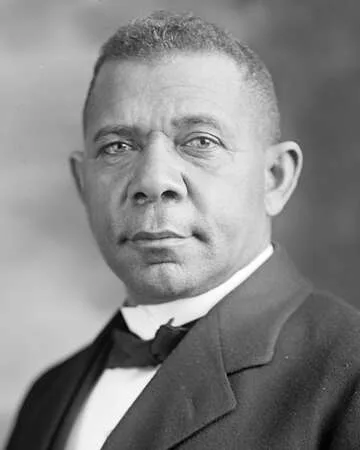
The Early Years of Booker T. Washington
Born on April 5, 1856, in Hale's Ford, Virginia, Booker T. Washington was not just a man of his time; he defined what it meant to be an educational pioneer. Growing up in the post-Civil War South, Washington faced immense challenges but remained steadfast in his pursuit of knowledge. His early experiences as the son of an enslaved woman and a white man sparked his determination to rise above societal limitations.
Booker T. Washington's Quest for Education
Despite the oppressive environment, Washington's hard work paid off when he secured a place at Hampton Normal and Agricultural Institute. There, he was deeply influenced by his teachers, especially General Samuel C. Armstrong, who instilled in him a belief in the importance of vocational education. This pivotal moment shaped Washington's philosophy regarding the path to equality for African Americans.
The Founder of Tuskegee Institute
In 1881, Booker T. Washington founded the Tuskegee Normal and Industrial Institute in Alabama, which became a beacon of hope for many African Americans seeking education. Washington's vision was clear: to provide students with practical skills that would enable them to succeed economically. Under his leadership, Tuskegee flourished, emphasizing the significance of learning trades alongside traditional education.
Impact on American Society
Washington's influence extended beyond the classroom. He emerged as a key advisor to several U.S. presidents and advocated for African American advancement through education and hard work. He often emphasized patience and self-help, which garnered both praise and criticism within the African American community. Despite the controversies, Washington's drive for change marked him as a significant figure in American history.
Booker T. Washington's Advocacy for African Americans
As an advocate for African Americans, Washington promoted the idea that education would empower individuals and uplift communities. He believed that through industrial education, African Americans could attain economic independence, which was crucial during a time when racial discrimination was prevalent.
Remembering Booker T. Washington
Booker T. Washington passed away on November 14, 1915, but his legacy lived on. His contributions were recognized far and wide, most notably in 1940 when he became the first African American featured on a U.S. postage stamp. Washington’s life story is one of resilience and dedication, symbolizing hope and opportunity for countless individuals.
Fun Fact
Booker T. Washington’s Unique Stamp of Recognition
Did you know that Booker T. Washington was the first African American to have his image on a U.S. stamp? The commemorative stamp was issued in 1940, decades after his death, celebrating his lasting legacy in education and civil rights.
Additional Resources
Recommended Reading on Booker T. Washington
To delve deeper into the life of this extraordinary leader, consider reading "Up From Slavery", Washington's own autobiography detailing his journey from enslavement to education and influence. Additionally, "Booker T. Washington: The Wizard of Tuskegee" by F. J. Turner offers insight into his innovative ideas and practices at Tuskegee Institute.









 Continue with Google