


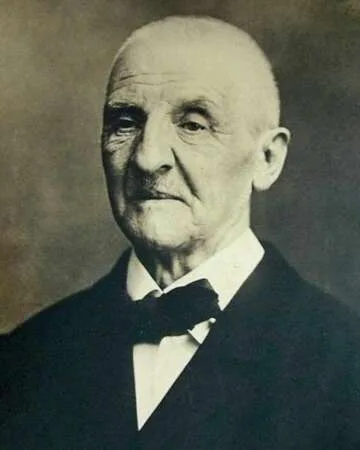
Who Was Anton Bruckner?
Anton Bruckner, born in 1824 in Ansfelden, Austrian Empire, was a prolific composer best known for his symphonies, masses, and the famous Te Deum. Despite being a disciple of Richard Wagner, whose dramatic style influenced his compositions, Bruckner’s music has often been described as monumental and, at times, overwhelming. This duality of admiration and criticism paints an intriguing portrait of a man whose contributions to the world of classical music remain significant today.
Bruckner's Musical Journey
Bruckner's passion for music began at a young age, and he pursued his studies fervently. His education sharpened his skills, enabling him to create profound works that often blended deep spirituality and intricate counterpoint. His wagnarian symphonic style is evident in works such as the 'Eighth Symphony', which reflects Wagner's influence while showcasing Bruckner's unique voice.
Cultural Impact of Bruckner's Compositions
Although some contemporaries criticized Bruckner's work as a "monumental bore," it’s important to recognize that his intricate structures and rich harmonies convey a transcendental experience for many. Bruckner’s symphonies, notably the Fourth Symphony, often evoke feelings of awe and grandeur, reflecting his deep religious convictions and the Austrian landscape’s beauty.
The 'Te Deum' and Its Significance
The Te Deum is one of Bruckner’s pivotal works, showcasing his mastery in choral composition. This work brilliantly exemplifies Bruckner's ability to combine grandeur with faith. Written at a time when the Catholic Church influenced much of Viennese culture, the Te Deum represents his deep spirituality and sophisticated understanding of choral textures.
Bruckner's Legacy in Sacred Music
In Te Deum, Bruckner created an emotive expression of worship that continues to resonate in sacred music today. His use of brass and choir creates a sense of divine majesty, bringing the audience into a reflective state of worship.
Influence of Wagner on Bruckner's Work
As a devoted admirer of Richard Wagner, Bruckner's compositions reflect Wagner's stylistic principles while also developing Bruckner's distinct voice. This influence is most clear in his orchestral writing, where Wagner’s dramatic textures and emotive power can be readily identified.
Fun Fact
Bruckner's Unscripted Performances
Interestingly, Anton Bruckner was known for his unpolished and heartfelt conducting style, often leading performances without a baton. This genuine approach to music conducting added a unique flavor to his works, showcasing his passion in a way many still find charming.
Additional Resources
Recommended Reading on Anton Bruckner
For those wanting to delve deeper into the world of Anton Bruckner, consider reading Bruckner: The Man and the Work by Robert Simpson or Anton Bruckner: His Life and Work by Henning W. Bastian. These texts provide an insightful look at Bruckner's life and his profound influence on classical music.






 Continue with Google