


The Birth of Erik Satie
On May 17, 1866, the world welcomed Erik Satie, a groundbreaking French composer known for his exceptional contributions to modern music. Born in the picturesque town of Honfleur, nestled in the heart of Normandy, Satie would go on to challenge the boundaries of conventional classical music and pave the way for future composers.
Satie's early years in Honfleur played a crucial role in shaping his artistic vision. Influenced by the beautiful coastal landscapes and vibrant local culture, his creativity blossomed. Satie's musical journey began when he enrolled at the Paris Conservatory at a young age, where he studied with various teachers who recognized his unique talent.
Erik Satie's Groundbreaking Works
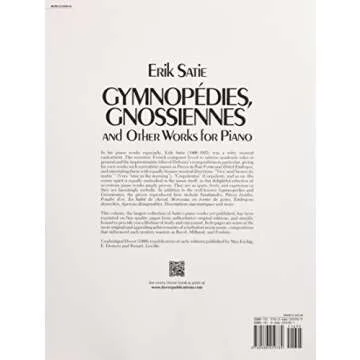
One of Satie's most renowned compositions is the Gymnopédies, a series of three piano pieces that exemplify his innovative approach to music. Written in 1888, these pieces feature haunting melodies and minimalist harmonies, breaking away from traditional forms. Gymnopédies have since resonated with audiences worldwide, showcasing Satie's ability to evoke deep emotions through minimalistic music.
Embracing the Avant-Garde
Satie's work was often ahead of its time, blending elements of impressionism and absurdism. He embraced non-conformity and famously described his compositions as "furniture music,” emphasizing the idea that music could serve as a background for the everyday experiences of life rather than demanding attention. This playful yet profound insight contributed to the avant-garde movement of the 20th century.
The Legacy of Erik Satie
Erik Satie's influence extends far beyond his lifetime. His unique style inspired countless composers, including John Cage and Philip Glass, who embraced his ideas of simplicity and experimentation. Satie's works remain a staple in concert repertoires and continue to captivate audiences today.
The Lasting Impact of Satie's Music
Even today, Satie's compositions are celebrated for their emotional depth and innovative nature, reminding us that music can be both profound and playful. His legacy lives on through performances and recordings that keep his spirit alive in modern culture.
Erik Satie’s Contributions to Music
Satie was not just a composer; he was a visionary who challenged norms. His interdisciplinary approach and collaborations with artists and writers of his time, such as Cocteau and Picasso, demonstrated his belief in the interconnectedness of the arts.
Fun Fact
Erik Satie's Quirky Personality
Known for his eccentricity, Satie often wore a bowler hat and had an extensive collection of furniture, which he described as essential for his creative process. He was also famous for his peculiar routines and preferred to live a minimalist lifestyle.
Additional Resources
Recommended Reading on Erik Satie
If you’re interested in delving deeper into the life and works of Erik Satie, consider reading "Satie the Lizard" by David A. J. Richards, or "Erik Satie: A Parisian Composer in the 20th Century" by Michael Nyman. These texts provide invaluable insight into his impact on music and culture.







 Continue with Google