


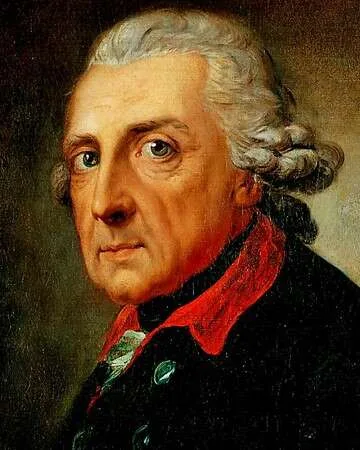
Frederick the Great: A Monarch Ahead of His Time
Born in Berlin in 1712, Frederick the Great would come to symbolize Prussia’s might and progression during his reign from 1740 to 1786. Known for his military prowess and enlightened reforms, Frederick transformed Prussia into a significant European power. His strategies not only solidified his kingdom's position but also shaped the future of military and governance. As a patron of the arts, Frederick encouraged a cultural renaissance in Prussia, making it a center of intellectual thought.
The Military Strategies of Frederick the Great
Frederick's military tactics during key conflicts, such as the Seven Years' War, showcased his innovative approaches. His strategies emphasized speed and mobility, allowing Prussia to defend against adversaries much larger than itself. This ability to outmaneuver larger armies became a hallmark of his military legacy and still influences military studies today.
Frederick the Great’s Enlightened Policies
Although he was a monarch, Frederick implemented numerous enlightenment policies. He promoted religious tolerance and legal reforms that modernized the Prussian state. Education was also a priority for Frederick, whose reign saw the establishment of schools and universities aimed at providing advanced learning, greatly benefiting the future generations of Prussia.
Frederick's Cultural Impact on Prussia
Beyond military and administrative achievements, Frederick was a notable patron of the arts. He invited composers like Carl Philipp Emanuel Bach to his court and built the Sanssouci Palace as a cultural retreat and a symbol of his reign. Frederick's love for music and philosophy made his court a hub for intellectual exchange.
The Sanssouci Palace: A Architectural Marvel
Constructed between 1745 and 1747, the Sanssouci Palace is a reflection of Frederick the Great’s vision—a place of relaxation among beautiful gardens. It remains a symbol of the lavish lifestyle and cultural richness of Prussia during Frederick’s reign.
Frederick’s Influence on Modern Governance
Frederick the Great’s reign marked a significant shift in how rulers interacted with their subjects, laying the groundwork for modern governance based on reason and civic duty. His belief in enlightened absolutism predated many democratic ideals that emerged in later centuries.
Fun Fact: What Makes Frederick the Great Unique?
Frederick the Great's Love for Flutes
Not only a brilliant king, but Frederick was also an accomplished musician, particularly known for his prowess with the flute. He composed various sonatas and concertos, displaying his multifaceted talents beyond the throne.
Additional Resources
Recommended Reading on Frederick the Great
If you're interested in further exploring the life of Frederick the Great, consider reading "Frederick the Great: A Biography" by Thomas Blug and "Frederick the Great: The Magnificent Enigma" by Julius Schiller. Both works provide an insightful look into his complex character and reign.







 Continue with Google