


John Ray: A Pioneer of Natural History
John Ray's Early Life
John Ray was born in Black Notley, England, in the year 1627. As a child, his inquisitive nature led him to explore the rich natural world around him. His education at Pembroke College, Cambridge, exposed him to the ideas of great thinkers and set the foundation for what would later become a remarkable career in natural history.
The Formative Years of John Ray
During the turbulent times of the mid-seventeenth century, Ray developed his interests in botany and zoology. He embarked on countless excursions into nature, meticulously cataloging his observations which eventually paved the way for groundbreaking advances in taxonomy. His experiences shared with fellow naturalists greatly influenced his thought and work.
Advancements in Taxonomy by John Ray
Introduction of Biological Classification
As the founder of modern taxonomy, John Ray's work established a systematic method for classifying living organisms. His significant contributions include the publication of "Historia Plantarum" in 1686, which detailed the characteristics and classifications of plants. Ray’s framework provided a foundation for binomial nomenclature, which was later refined by Carl Linnaeus.
John Ray’s Influence on Naturalists
John Ray's methodologies not only advanced taxonomy but also inspired generations of naturalists and scientists. His emphasis on rigorous observation and classification remains vital to the field of biology to this day. Ray's influence can be traced through the works of many subsequent naturalists who adopted his principles of natural classification.
Fun Fact
Ray’s Wonderful Legacy
Despite being primarily known for his work in botany, John Ray also contributed significantly to the study of animals. He was one of the first naturalists to categorize organisms based on structural features, which laid the groundwork for future biological classification systems.
Additional Resources
Recommended Reading on John Ray
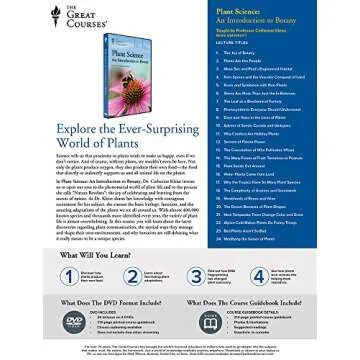
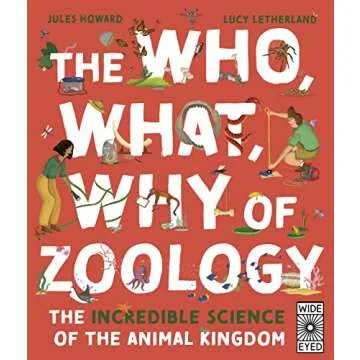
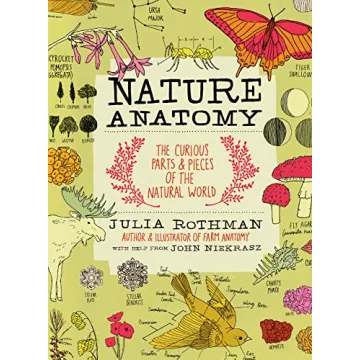
To delve deeper into the world of John Ray, consider reading “The Natural History of Plants” and “The Wisdom of God Manifested in the Works of the Creation”. These works showcase his profound understanding of nature and solidify his legacy as a cornerstone of modern natural history.
![The Green Berets [Blu-ray] - A John Wayne Classic Film](https://assets.giftpals.com/assets/uc/Gift/Mu8vHG1TSstA/1/thumbnail_default_1.webp?dMWGtlfh33xv)





 Continue with Google