


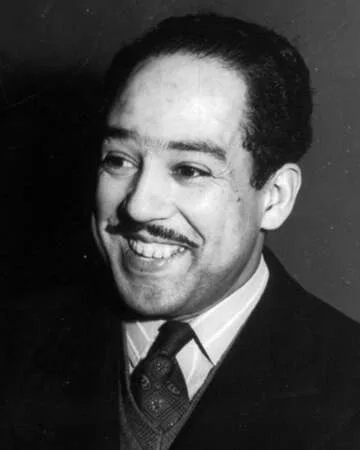
The Life of Langston Hughes
Langston Hughes, born in Joplin, Missouri on February 1, 1902, is an iconic figure in American literature, best known for his profound influence during the Harlem Renaissance. Hughes is celebrated for his poignant poetry that captured the African American experience, showcasing themes of struggle, hope, and resilience. His renowned work, "The Weary Blues," published in 1926, is a beautiful example of his lyrical style, blending jazz rhythms with powerful imagery that speaks to the heart of human emotion.
Hughes' literary contributions extend beyond poetry; he was also a talented playwright and librettist. His play "Mulatto", which premiered in 1935, brought to the stage complex narratives surrounding race relations in America. Additionally, Hughes created the opera "Troubled Island," a piece that tells the story of the Haitian Revolution. His diverse body of work exemplifies his commitment to representing the African American voice through various artistic mediums.
Hughes the Poet
Langston Hughes made significant contributions to poetry through his innovative use of jazz and blues elements. His work is a reflection of his belief in the power of art to inspire change and uplift the human spirit. The vibrancy of African American culture is present in all his writings, encouraging readers to connect with their roots.
Hughes the Playwright
As a playwright, Hughes tackled pressing social issues in America, using the stage to convey powerful messages about race, identity, and community. His plays continue to resonate with audiences today, illustrating the ongoing relevance of his work.
The Legacy of Langston Hughes
Langston Hughes passed away on May 22, 1967, yet his impact on literature and culture remains profound. He is remembered not only for his artistic genius but as a voice for justice and equality.
Remembering Hughes' Influence
Hughes' works have inspired countless writers and artists, fostering a greater understanding of the African American experience. His fearless exploration of identity continues to inform contemporary discussions about race, art, and culture.
Hughes’ Contributions to Music
Even in his poetic verses, Hughes emphasized the importance of music, particularly jazz and blues, as vital components of the African American narrative. His writing often mirrored the cadence and rhythm of these musical forms, creating a lasting fusion of literature and music.
Fun Fact
Langston Hughes' Interesting Fact
Did you know that Langston Hughes was a key figure in the Harlem Renaissance? He traveled extensively, drawing inspiration from different cultures and experiences that enriched his work and worldview.
Additional Resources
Recommended Reading on Langston Hughes
For those interested in delving deeper into Langston Hughes’ life and work, consider reading "The Collected Works of Langston Hughes", which offers a comprehensive view of his poetry, essays, and plays. Another great resource is "Langston Hughes: The Man, The Poet", a biography that explores his remarkable journey and lasting legacy.







 Continue with Google