


Nigeria’s Journey to Independence
The Path to Freedom for Nigeria
The year 1960 marked a pivotal moment in Nigeria’s history as the nation gained its independence from British colonial rule on October 1. The enduring struggle for independence was fueled by a desire among Nigerians for self-governance and autonomy, which had been growing since the late 19th century. Political figures such as Nnamdi Azikiwe and Obafemi Awolowo galvanized support for independence, leading movements that united various ethnic groups across the nation.
Key Events Leading to Independence
Several significant events paved the way for Nigeria’s independence. After the Second World War, a wave of nationalism surged through colonies across Africa, including Nigeria. In 1954, the Lyttleton Constitution introduced constitutional changes that allowed for more Nigerian input in governance. The country's first elections were held in 1954, leading to increased political awareness and a call for full sovereignty, culminating in independence in 1960.
Becoming a Global Member: Nigeria and the United Nations
Nigeria Joins the United Nations
On the same day Nigeria celebrated independence, it also became the 99th member of the United Nations, signaling its commitment to international cooperation and peace. This membership provided Nigeria with a platform to voice its concerns, advocate for African unity, and engage in global discourse. It was a significant step towards establishing Nigeria as a prominent player on the world stage.
Significance of October 1st
October 1st is celebrated annually as Nigeria’s National Day, a day of patriotism that commemorates the struggle for independence and the birth of a sovereign nation. Festivities include parades, cultural displays, and speeches that reflect on the nation’s journey and the ongoing challenges it faces. This day serves as a reminder of Nigeria's rich history and the ongoing quest for unity and progress.
Fun Fact
Nigeria’s Unique Cultural Diversity
Nigeria is known for having over 250 ethnic groups, each with its own distinct language and culture. This incredible diversity is one of the country's greatest strengths, enriching its cultural heritage and contributing to its dynamic society.
Additional Resources
Recommended Reading on Nigeria’s Independence
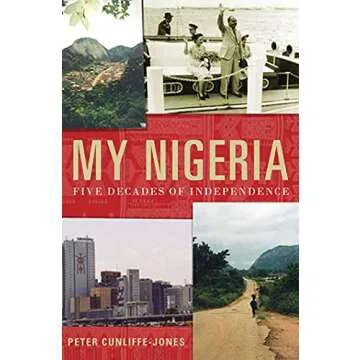
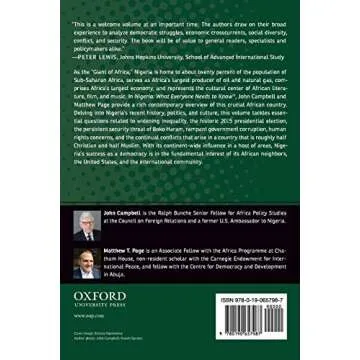
For those interested in exploring Nigeria’s journey to independence, consider reading "A History of Nigeria" by John Paden or "Nigeria: A New History" by John Campbell. These books provide insightful analyses of the factors influencing Nigeria’s political evolution and its significance in the global context.









 Continue with Google