


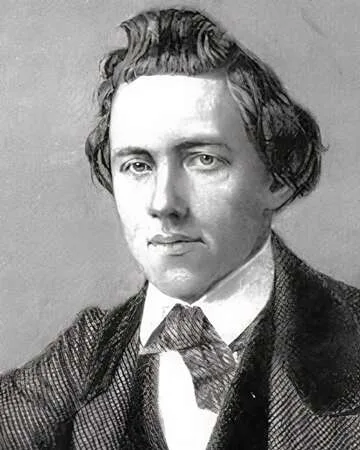
The Rise of Paul Morphy in the Chess World
Paul Morphy, born in New Orleans, Louisiana in 1837, is widely regarded as one of the greatest chess players of the 19th century. His remarkable skill and rapid rise to fame during the years 1857 to 1861 transformed him into a chess prodigy whose name still resonates in the chess community today. Starting from a young age, Morphy demonstrated an exceptional aptitude for the game, learning the intricacies of chess at the age of 8. His natural talent was nurtured by his family, particularly his father, who introduced him to the world of strategy and competition.
Paul Morphy's Early Beginnings
In his early years, Paul Morphy honed his chess skills through casual games and by studying classical literature on chess. His initial competitions showcased his keen strategic mind and a flair for tactical play. By the time he was a teenager, Morphy was already taking on experienced players and frequently emerging victorious. His bright future was evident, and in 1857, Morphy’s ascent began in earnest when he participated in the first American Chess Congress in New York City. This event featured the best players of the time, and Morphy announced his presence by winning the tournament with stunning brilliance.
Truly Outstanding Achievements
During his brief but illustrious career, Morphy achieved an impressive array of victories, defeating many of the leading players of his time, including the legendary world champion Adolf Anderssen. Morphy’s style of play was aggressive and imaginative, favoring open positions and complex tactics that would leave his opponents scrambling. He became known for his exceptional creativity on the board and his ability to see multiple moves ahead, earning him the title of the greatest chess player of his era.
Enduring Legacy of Paul Morphy
Even after his untimely death in 1884, Paul Morphy's influence on the game of chess continues to endure. He is celebrated not just for his victories but for revolutionizing the way the game was played and studied. His contributions set a new standard for tactical creativity and rapid development in the opening phase, inspiring generations of chess players.
Paul Morphy's Lasting Impact
Today, Morphy's games are still studied by both amateurs and professionals for their instructive value. Many chess books and courses are dedicated to his strategies and tactics, demonstrating his lasting impact on the sport. He is often remembered not just as a champion of his time but as a pivotal figure who bridged American chess with the greater international community.
Tragic End and Unforgotten Genius
Though Morphy opted to retire from competitive chess in his twenties, choosing instead to pursue a career in law, his contributions did not go unnoticed. His death at the young age of 47 left a void in the chess world, yet his legacy remains vibrant, reminding players of the beauty and brilliance of chess.
Fun Fact
Paul Morphy's Interesting Fact
Did you know that Paul Morphy often played chess blindfolded? This extraordinary ability showcased not only his deep understanding of the game but also his unparalleled memory and concentration.
Additional Resources
Recommended Reading on Paul Morphy
For those interested in diving deeper into the life and games of Paul Morphy, consider reading “Paul Morphy: The Life and Games of a Chess Genius” or “Chess Fundamentals”, where his strategies and principles are elaborated upon.




 Continue with Google