


The Birth of André Campra
André Campra's Baptism in 1660
André Campra, a notable figure in the world of music, was baptized in Aix-en-Provence, France in the year 1660. This event marked the beginning of a life that would profoundly influence the realms of composition and performance, paving the way for the Baroque traditions in the French music scene.
The Early Years of André Campra
Growing up in a culturally rich environment, Campra was surrounded by music from a young age. His education in the arts began at home and was further nurtured by the vibrant musical community in Aix-en-Provence. By the time he reached his teenage years, it was evident that Campra possessed a natural talent and deep passion for music.
André Campra's Legacy
His Contribution to French Composition
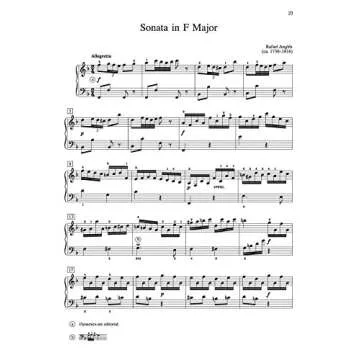
As a composer and conductor, André Campra's works are renowned for their engaging melodies and innovative harmonies. His contributions span numerous genres, including operas, choral works, and orchestral compositions. Campra's style helped to shape French opera during the early 18th century, emphasizing emotive expression and lyrical beauty.
The Influence of André Campra on Future Generations
The influence of André Campra extends beyond his lifetime. His compositions, particularly his operas, served as a model for later composers. Many contemporary musicians and composers continue to draw inspiration from his pioneering fusion of traditional French musical elements with the evolving trends of the Baroque period.
Fun Fact
André Campra's Distinctive Style
Did you know that André Campra was also known for his distinctive approach to orchestration? His innovative use of string instruments often created lush soundscapes that captivated audiences across France, making him a celebrated figure in the Baroque music era.
Additional Resources
Recommended Reading on André Campra
For those interested in exploring more about André Campra's life and works, consider reading "French Baroque Music" and "André Campra: His Life and Music". These texts provide deeper insights into his contributions to the music world and the historical contexts of his compositions.




 Continue with Google