


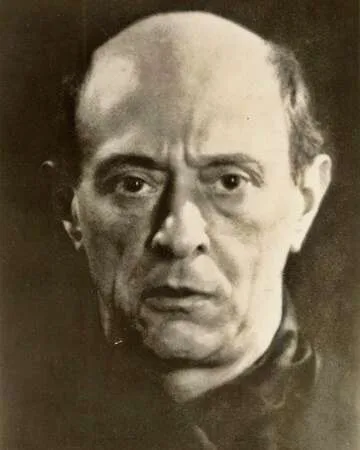
Exploring the Life of Arnold Schoenberg
Arnold Schoenberg was born on September 13, 1874, in Vienna, Austria. Renowned as an influential composer and painter, he became a pivotal figure in the realm of modern music. Schoenberg's innovative approaches to composition, particularly in works like Verklarte Nacht (Transfigured Night) and the Second String Quartet, placed him at the forefront of the expressionist movement. His dedication to exploring new musical languages and techniques transformed the landscape of classical music in the 20th century.
Having started his musical journey as a self-taught musician, Schoenberg eventually developed the twelve-tone technique, which revolutionized how music was composed. His explorations were not only limited to music but also extended to visual art, making him a true polymath of the arts.
Arnold Schoenberg's Early Life
Schoenberg's early life in Vienna was marked by a rich cultural environment that influenced his artistic growth. Coming from a Jewish background, he initially faced several societal challenges but found solace and expression through music and painting. His formative years in such a vibrant city laid the groundwork for his later innovations in music.
Musical Contributions of Arnold Schoenberg
One of Schoenberg's most significant contributions to music was his development of the twelve-tone technique, which became a fundamental aspect of his compositional style. This method allowed composers to arrange the twelve notes of the chromatic scale in a variety of series, which redefined melody and harmony in a groundbreaking way. Pieces like Verklarte Nacht showcase his rich harmonies and emotional depth, immersing listeners into a vivid sonic landscape.
Schoenberg's Legacy in Music and Art
Schoenberg's profound impact on both music and painting makes him a vital figure in the history of art. His challenge to traditional forms of composition opened doors for future composers, fostering an environment where experimentation became the norm.
Influence on Future Generations
Many composers owe their inspiration to Schoenberg's pioneering work. His emphasis on atonality and the twelve-tone system paved the way for the avant-garde movements of the mid-20th century. Notable composers such as Alban Berg and Anton Webern were among those who expanded upon his techniques, prominently featuring Schoenberg's influence in their compositions.
Schoenberg as a Visual Artist
Aside from music, Schoenberg was also an accomplished painter. His art often reflected the same emotional intensity seen in his compositions. By expressing his thoughts and feelings through visual arts, he demonstrated the interconnectedness of different artistic disciplines and influenced a broader cultural understanding of expressionism.
Fun Fact about Arnold Schoenberg
Discover Arnold Schoenberg’s Interesting Fact
In addition to his remarkable musical compositions, Arnold Schoenberg was known to be a passionate painter. One of his paintings, Self-Portrait, encapsulates his deep introspection and creativity, showcasing his talent beyond the realm of music.
Additional Resources
Recommended Reading on Arnold Schoenberg
For those interested in exploring more about Arnold Schoenberg's life and work, consider reading Schoenberg: A Biography by Herbert Weinstock or Arnold Schoenberg: The Music of His Life by Jan D. W. Snoek. These books provide in-depth insights into his contributions and the nuances of his artistic journey.










 Continue with Google