


The Early Life of Francesco Corteccia
Francesco Corteccia was born in the artistic city of Florence, in the Florentine Republic, in 1502. This period was marked by the flowering of the Renaissance, a time that greatly influenced his musical compositions and development. Being surrounded by such rich cultural and artistic heritage, it's no surprise that Corteccia emerged as a significant figure in Italian music.
From an early age, he displayed a fascination for music and the performing arts, leading him to pursue a career that would ultimately place him among the prominent composers of his time.
Francesco Corteccia's Musical Education
Corteccia's musical training largely took shape within the vibrant landscape of Florence’s churches and courts. He was exposed to various forms of music and the works of other great composers of the era. This exposure allowed him to develop a unique style that blended the traditional elements of sacred music with the more modern counterpoint techniques of the Renaissance.
This formal education not only equipped him with the technical skills necessary for composition but also inspired his creativity, enabling him to write some of the most cherished pieces of the period.
Achievements of Francesco Corteccia
Throughout his career, Corteccia became known for his contributions to sacred music, particularly in the form of masses and motets. His works were characterized by their melodic richness and harmonies that captured the essence of the spiritual experience. Moreover, his role as a music teacher influenced many budding musicians and composers who would come after him, establishing a lineage of musical innovation within and beyond his native Florence.
As a composer for the Medici family, one of the most influential dynasties of the time, his music can be seen as a representation of the cultural values of the Renaissance.
The Legacy of Francesco Corteccia
Francesco Corteccia passed away in 1571, but his influence on music persisted long after his death. The techniques and styles that he pioneered left an indelible mark on the trajectory of Renaissance music. Artists and composers studied his works, and his compositions remained popular well into the following generations.
Francesco Corteccia’s Lasting Impact
Recognized as a pivotal figure in the transition from medieval forms to the complexities of the Baroque style, Corteccia's music is still performed today, reminding audiences of the beauty and spiritual depth found in his compositions. His ability to merge artistic innovation with emotional expression remains a benchmark for aspiring composers.
Francesco Corteccia's Compositional Style
His unique use of modal harmonies and intricate melodic lines set him apart from his contemporaries. Composers that came after him often looked to his works for inspiration, and his influence can be seen in the works of later musicians who built upon the Renaissance foundations he helped to solidify.
Fun Fact
Did You Know About Francesco Corteccia?
Francesco Corteccia was one of the few composers of his time who was involved in the emergence of the Florentine music scene that famously included the likes of Claudio Monteverdi and other noted contemporaries, creating a vibrant atmosphere for musical exploration.
Additional Resources
Recommended Reading on Francesco Corteccia
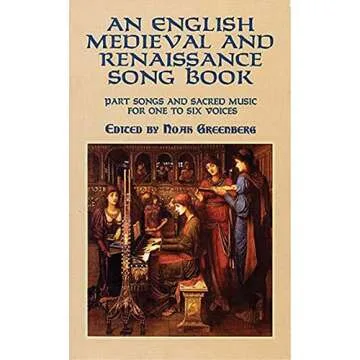
For those interested in learning more about the life and works of Francesco Corteccia, consider reading "The Music of Renaissance Florence" and "Renaissance Composers and their Legacies". These books provide essential insights into the contributions of Corteccia and his peers to the field of music.


![High As Hope - Florence + the Machine [LP]](https://assets.giftpals.com/assets/uc/Gift/4iXm1L2Qjayc/1/thumbnail_default_1.webp?zgB1ovwDv8fj)



 Continue with Google