


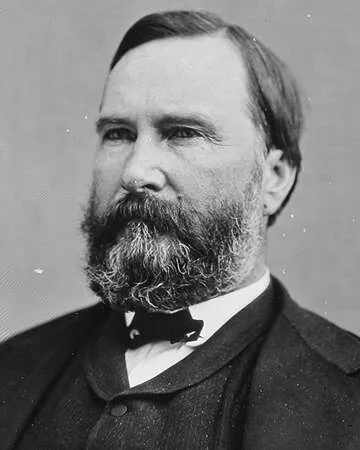
The Remarkable Life of General James Longstreet
General James Longstreet, born on January 8, 1821, in Edgefield, South Carolina, stands as one of the most significant figures of the American Civil War. As a key commander in the Army of Northern Virginia, Longstreet earned recognition for his strategic prowess and leadership during numerous pivotal battles. His legacy is intertwined with that of General Robert E. Lee, under whom he served as the commander of the First Corps.
Longstreet's career was marked by brilliant military engagements, but he was also a figure of controversy, particularly for his stance on post-war reconciliation and his later support for the Republican Party, which led to rifts with some former Confederate allies. His role in battles such as Gettysburg, Chickamauga, and the Siege of Petersburg showcases his capabilities as a soldier and strategist.
Early Life of James Longstreet
Before his meteoric rise in military ranks, Longstreet's early life shaped much of his character. He came from a modest background and was educated at the United States Military Academy at West Point. Upon graduating in 1846, he served in the Mexican-American War, which prepared him for the larger conflict that would define his legacy – the Civil War.
Longstreet's Military Career
During the Civil War, Longstreet was instrumental in several key victories for the Confederacy. His leadership at the Battle of Second Manassas and the Battle of Fredericksburg solidified his reputation as one of Lee's most trusted generals. However, his decisions at Gettysburg were pivotal, and debates continue about the handling of the campaign, particularly regarding the infamous Pickett's Charge.
The Legacy of General Longstreet
Longstreet's legacy is multifaceted. After the war, he became a proponent for reconciliation between the North and South, advocating for unity. His post-war life included a role as a U.S. Marshal and a supporter of civil rights, further deepening his complex legacy as a Southern leader.
Longstreet's Post-War Contributions
After the war, General Longstreet continued to serve his country in various capacities. He worked as a politician and was committed to the idea of reconciliation between the former adversaries. His later life is often overshadowed by his military reputation but showcases a man who sought to heal divisions and promote unity.
Controversies Surrounding Longstreet
Despite his contributions, Longstreet faced significant criticism from some former Confederates for his post-war affiliations and beliefs. His alignment with the Republican Party and support for the rights of African Americans sparked controversy and resentment among many in the South, complicating his image as a Southern hero.
Fun Fact
James Longstreet's Interesting Fact
Interestingly, Longstreet was one of the first generals in the Confederate Army to advocate for the use of trench warfare, a tactic that would become prominent in World War I. His foresight in military strategy was ahead of his time.
Additional Resources
Recommended Reading on James Longstreet
For those looking to dive deeper into the life of General James Longstreet, consider reading “Longstreet: The Confederacy’s Most Controversial General” by Jeffry D. Wert or “The Longstreet Legend” by William C. Davis. These works provide insight into his life and the complexities of his legacy.



 Continue with Google