


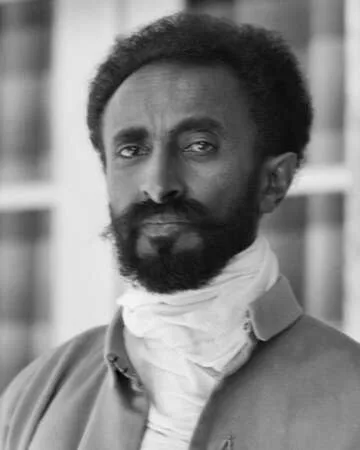
The Royal Birth of Haile Selassie
On July 23, 1892, the world welcomed a future leader who would shape the course of Ethiopian history for decades. Haile Selassie, born in **Ejersa Goro**, was destined to become one of the most influential emperors of Ethiopia. His reign from 1930 to 1974 made him a pivotal figure in both African and global contexts, representing resilience and modernity.
Haile Selassie’s Early Life
Raised in the Ethiopian Empire, young Haile Selassie was immersed in a culture deeply rooted in history and tradition. His noble lineage as a member of the Solomonic dynasty set the stage for his eventual rise to the throne. The influence of his upbringing would later guide his perspectives on leadership and governance, emphasizing the importance of unity and sovereignty.
The Significance of His Birth
The birth of Haile Selassie was not just significant for his family but for Ethiopia itself. As he matured, his vision for a modern Ethiopia helped steer the nation through tumultuous times, including the Italian invasion and World War II. His desire for an independent, strong, and prosperous Ethiopia defined his leadership philosophy.
Legacy of Haile Selassie
The impact of Haile Selassie reaches beyond his lifespan, resonating through the ethos of Ethiopian pride. His efforts in promoting African unity and independence positioned him as a symbol of resistance against colonialism. Today, he is celebrated not only in Ethiopia but also in the wider African diaspora.
Influence on Rastafarianism
One of the fascinating aspects of Haile Selassie's legacy is his influence on the Rastafarian movement. His affirmation as a divine figure among Rastafarians speaks to the global reach of his impact, transforming him from a national leader into an international icon of liberation and hope.
Modern Perspectives on His Leadership
While Haile Selassie's reign faced criticism and challenges,his vision for modernization and social reform laid the groundwork for future Ethiopian governance. Historians continue to analyze his policies and their effects on Ethiopia's trajectory into the modern age.
Fun Fact
Haile Selassie’s Interesting Fact
Did you know that Haile Selassie was the first African leader to address the United Nations in 1963? His speech emphasized the importance of African unity and the need to confront colonialism head-on.
Additional Resources
Recommended Reading on Haile Selassie
For those interested in learning more about Haile Selassie, consider reading "Haile Selassie: The Last King of Kings" by David M. Smith or "The Emperor: Downfall of an Autocrat" by Ryszard Kapuściński. These books provide deeper insights into his life and the historical context of his reign.










 Continue with Google