


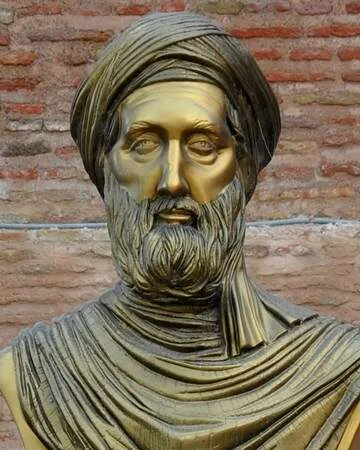
The Legacy of Ibn Khaldūn
Ibn Khaldūn, born in the vibrant city of Tunis in 1332, was not just a notable figure in history; he was a pioneering Islamic scholar who laid the foundations for modern historiography and sociology through his groundbreaking work, Muqaddimah. His insights into the social, economic, and political factors that influence civilizations changed the way we understand history and society today.
His contributions extend beyond mere commentary on historical events; Ibn Khaldūn sought to explain the underlying causes of change and development in nations, invoking a philosophy that resonated through the ages. His unique approach encourages us to analyze the past critically, making his work both timeless and essential for modern thinkers.
Ibn Khaldūn: A Scholar Ahead of His Time
Ibn Khaldūn's methodology was revolutionary for the period. He emphasized the importance of cultural influences and economics in shaping political outcomes, making Muqaddimah not just a historical work, but a treatise on the nature of society itself. His assertion that history should not be merely a collection of speeches but a search for observable facts laid down principles that historians still adhere to today.
The Influence of Ibn Khaldūn’s Birthplace
Tunis, where Ibn Khaldūn was born, was a cultural melting pot of Islamic learning and scholarly endeavors. The city provided him with rich resources and experiences that undoubtedly shaped his intellectual development and may have influenced the profound ideas he shared in his writings.
Remembering Ibn Khaldūn's Contributions
The impact of Ibn Khaldūn extends beyond his lifetime, stretching through the centuries to modern thinkers who draw from his ideas. His understanding of the cyclical nature of civilizations, leading to their rise and fall, resonates with contemporary discussions about social dynamics and history.
Ibn Khaldūn’s Relevance Today
In a world ever more complex, grappling with social and political upheavals, Ibn Khaldūn’s insights are vital. His works remind us to look at history through a lens that considers the interplay of various factors—economics, culture, and environment—emphasizing the importance of context in studying historical phenomena.
The Philosophical Depth of the Muqaddimah
The Muqaddimah has not only been a historical text but has influenced various fields such as sociology and economics, underpinning modern social science theories. His explorations into the nature of civilization, human behavior, and the significance of group dynamics have laid a foundation for contemporary scholarship.
Fun Fact
Did You Know About Ibn Khaldūn?
Interestingly, Ibn Khaldūn served as a judge, a diplomat, and a teacher, reflecting his diverse interests and competencies. This multifaceted approach enriched his perspective on history and society, showcasing the depth of his intellect and the breadth of his experiences.
Additional Resources
Recommended Reading on Ibn Khaldūn
To delve deeper into the works and thoughts of Ibn Khaldūn, consider reading The Muqaddimah, which is essential for understanding his historical methodology. Additionally, explore The Philosophy of History by Ibn Khaldūn for a comprehensive view of his ideas on society and civilization.












 Continue with Google