


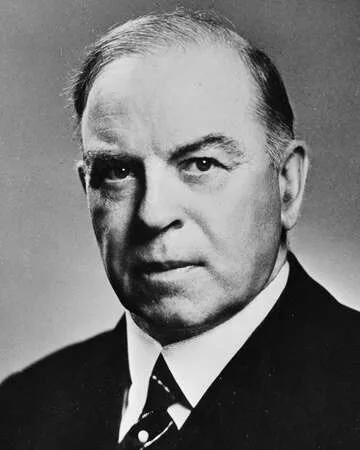
The Life and Times of Mackenzie King
Mackenzie King: A Influential Canadian Leader
Born in Berlin, Ontario in 1874, Mackenzie King would rise to become one of Canada's most pivotal political figures. He served as the 10th Prime Minister of Canada, holding office from 1921 to 1926 and again from 1935 to 1948. King's leadership spanned a transformative era for Canada and he played a crucial role in shaping the country's social and economic policies.
Mackenzie King's Early Years
Growing up in a politically engaged family, King was influenced by both his father, who was a Liberal politician, and his mother's strong beliefs. After completing his education, including studies at the University of Toronto and Harvard, he entered public service, establishing a foundation that would lead to his long political career.
King's Tenures: Achievements and Challenges
Mackenzie King's First Term as Prime Minister
During King's first term from 1921 to 1926, he focused on post-World War I recovery and economic stability. His government navigated through the challenging economic conditions of the time and worked on a path towards modernization and industrial growth.
Mackenzie King's Return and Legacy
After a brief hiatus, King returned to power in 1935, leading the country through the Great Depression and World War II. His policies emphasized social welfare and he implemented programs that would lay the groundwork for Canada's social safety nets. King's legacy is remembered for his diplomatic approach and deep understanding of Canadian unity during tumultuous times.
Fun Fact
Mackenzie King and Spiritualism
Interestingly, Mackenzie King was known to be a practitioner of spiritualism. He often engaged in séances to communicate with the spirits of his deceased loved ones, believing that their advice could guide him in political matters.
Additional Resources
Recommended Reading on Mackenzie King
To learn more about Mackenzie King's profound impact on Canada, consider reading "Mackenzie King: The Man Who Knew Too Much" and "King: The Social Conscience of a Liberal". These works provide deeper insights into his life, policies, and the history of Canada during his leadership.








 Continue with Google