


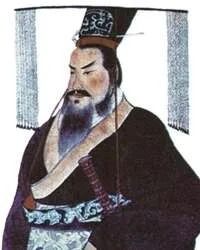
Remembering Qin Shi Huang: China’s First Emperor
Qin Shi Huang, born in Handan in 259 BC, holds the distinguished title of being the first emperor of a unified China. His reign started at a time when China was divided into several warring states. He not only succeeded in unifying these states but also established the Qin dynasty, marking a significant transformation in Chinese history.
The consolidation of power achieved by Qin Shi Huang was monumental. He implemented massive reforms contributing to the administrative, economic, and cultural projectile of China. Under his directive, the Great Wall was constructed to safeguard against invasions, and a standardized system of measurements and writing was introduced, which enhanced communication and trade across his vast empire.
The Birth of Qin Shi Huang
Qin Shi Huang was born as Ying Zheng in Handan, a city deep influenced by the surrounding turmoil of the Warring States period. From a young age, he was groomed for leadership, often experiencing the bitter rivalries and quests for power that characterized his childhood. His leaders and mentors likely instilled in him an ambition to unify China, which he passionately pursued throughout his life.
The Ascension of Ying Zheng
Upon ascending to the throne at just 13 years old, Ying Zheng began his reign as the King of Qin. By 221 BC, he successfully vanquished the other states, thus proclaiming himself the First Emperor of a united China, taking the name Qin Shi Huang which means "First Emperor of Qin." This bold move symbolized a new era for the country, filled with meticulous governance and monumental achievements.
Legacy of Qin Shi Huang
Qin Shi Huang’s legacy is reflected in the profound impact he made on Chinese society. His establishment of a centralized bureaucracy laid the groundwork for subsequent dynasties and the unification of Chinese culture.
Cultural Reforms by Qin Shi Huang
One of the emperor’s notable reforms was the standardization of currency, weights, and measures which facilitated trade and economic stability. His policies ensured that the empire enjoyed a level of uniformity that was unprecedented at that time.
Wonders of the Qin Dynasty
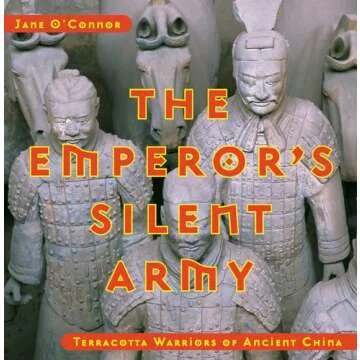
The Terracotta Army, created to accompany Qin Shi Huang in the afterlife, stands as an iconic representation of his rule. Discovered near his mausoleum, these sculptures reveal not only the emperor's power but also the intricate artistry and dedication of the craftsmen of that era.
Fun Fact
A Mysterious Hidden Realm
Despite his remarkable achievements, Qin Shi Huang is also known for his obsession with immortality which led him to seek out potions and eventually to explore the depths of life after death—a meaning reflected in the extensive planning of his burial site.
Additional Resources
Recommended Reading on Qin Shi Huang
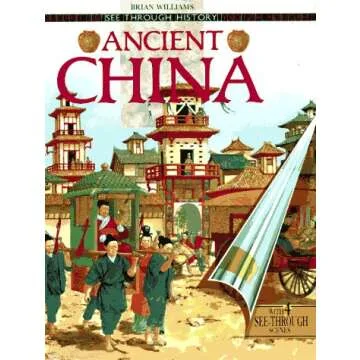
For those interested in delving deeper into the life of this historical figure, consider reading ‘The First Emperor: Qin Shi Huang’ by Jonathan Clements, and ‘Qin Shi Huang: The First Emperor of China’ by Li Min. These works provide further insight into the life, reign, and enduring legacy of Qin Shi Huang.








 Continue with Google