


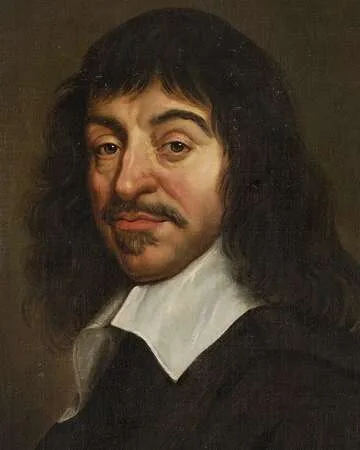
René Descartes: The Father of Modern Philosophy
René Descartes, born in 1596 in Descartes, Indre-et-Loire, France, is renowned for his contributions that laid the foundation for modern philosophy. His famous declaration, “I think, therefore I am” (Cogito, ergo sum), highlights his belief in the necessity of self-awareness and doubt in the process of acquiring knowledge. Descartes’ revolutionary ideas shifted the intellectual landscape of Europe, embracing a method of reasoned contemplation over traditional dogma.
Early Life of René Descartes
Descartes was born into a family of minor nobility. His early education began at a Jesuit college, where he was exposed to various subjects, including mathematics and philosophy. This solid foundation played a vital role in shaping his later works, as he combined both disciplines to challenge conventional beliefs. After receiving his degree in 1616, Descartes pursued a career in the army, which further exposed him to diverse thoughts and scientific ideas.
Philosophical Contributions of Descartes
René Descartes' writings, particularly "Meditations on First Philosophy" and "Discourse on the Method," greatly influenced the development of philosophical thought. His methodological skepticism encouraged individuals to doubt everything they could to arrive at undeniable truths, which redefined approaches to knowledge and existence.
The Legacy of Descartes
Descartes passed away in 1650, leaving behind a legacy of inquiry and rational thought that resonates even today. His works serve not only as a cornerstone of philosophy but also as an enduring guide in modern science and mathematics.
The Impact of Descartes' Ideas
His ideas emphasized reason as the chief source of knowledge, challenging the existing frameworks and encouraging free thought. This philosophical approach was pivotal in developing secular thought in Europe and has led to significant advancements in philosophy, science, and politics.
Engagement with Other Thinkers
Descartes' work has engaged numerous thinkers and philosophers over the centuries, inspiring countless debates in metaphysics and epistemology. His interactions with contemporaries like Pascal and Hobbes enriched the philosophical discourse of his time.
Fun Fact
René Descartes’ Interesting Habit
Did you know that Descartes was known for his unique habit of waking up late and working through the night? This preference for late hours reportedly stemmed from his desire to cultivate silence, allowing for deeper contemplation.
Additional Resources
Recommended Reading on René Descartes
For those interested in exploring Descartes' thoughts further, consider titles such as Meditations on First Philosophy and Discourse on the Method. These works provide profound insights into his philosophical approaches and reasoning processes.









 Continue with Google