


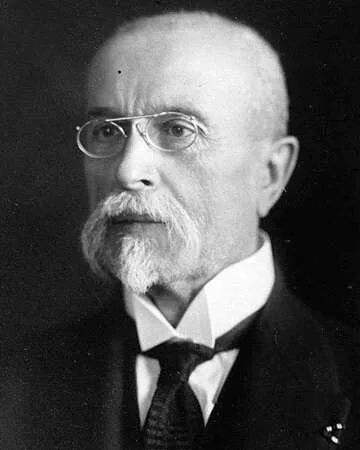
The Life and Legacy of Tomáš Masaryk
Tomáš Masaryk, born on March 7, 1850, in Hodonín, part of the Austrian Empire, would go on to become a pivotal figure in the history of Czechoslovakia. As a prominent philosopher and politician, Masaryk was a champion of democracy and national self-determination. His most notable achievement was serving as the first President of Czechoslovakia from 1918 to 1935, a period during which he laid the foundations of the new state following the collapse of the Austro-Hungarian Empire.
The philosophical underpinnings of Masaryk's political vision were deeply rooted in humanism and a commitment to modern democracy. He believed in the importance of civic engagement and maintaining a dialogue between the government and citizens, principles that resonated with the Czechoslovak populace seeking independence.
The Early Life of Tomáš Masaryk
Growing up in the rural town of Hodonín, Masaryk was influenced by the rich cultural environment around him. He pursued his education at the University of Vienna, where he studied philosophy and social sciences. His early writings addressed the philosophical questions of national identity and ethics, which foreshadowed his later political endeavors.
Masaryk's Role in Czechoslovak Independence
During World War I, Masaryk emerged as a leading voice for Czechoslovak independence, using his connections to garner support among Allied nations. He became the face of the Czechoslovak National Council in exile, advocating for the establishment of an independent state. His vision for Czechoslovakia was based on democratic values, self-determination, and respect for human rights.
Tomáš Masaryk: Philosopher and President
As the first President of Czechoslovakia, Masaryk faced numerous challenges in organizing a new government and addressing the needs of diverse ethnic groups within the country. His presidency was characterized by a dedication to democratic principles and the promotion of science and education, which he viewed as essential for a healthy republic.
Masaryk's Democratic Vision
Through his presidency, Masaryk sought to instill a sense of national unity while respecting the rights and identities of minorities. His belief in democracy was not merely a political stance; it was woven into the fabric of his philosophy, which emphasized the ethical responsibility of citizens.
The Legacy of Tomáš Masaryk
After retiring in 1935, Masaryk was still a respected elder statesman until his death on September 14, 1937. His legacy as a key architect of a democratic Czechoslovakia endures, influencing subsequent generations of policymakers and citizens who cherish the values of liberty and democracy.
Fun Fact
Masaryk’s Interesting Fact
Did you know that Tomáš Masaryk was not only a politician but also an accomplished author? He wrote over 20 books on philosophy and history, which reflect his deep understanding of society and human nature.
Additional Resources
Recommended Reading on Tomáš Masaryk
For those interested in delving deeper into the life of Tomáš Masaryk, consider reading Masaryk: The Scholar and the Statesman by Jiri Hochman, or President Masaryk and His Legacy by Charles University Press for comprehensive insights into his philosophical and political influence.






 Continue with Google