


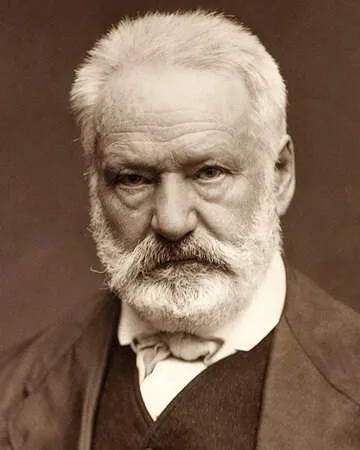
Victor Hugo: A Literary Giant Born in Besançon
On February 26, 1802, the world welcomed Victor Hugo, a prolific French author whose works have left an indelible mark on literature. Born in the picturesque town of Besançon, France, Hugo is best known for his timeless masterpieces, including The Hunchback of Notre Dame and Les Misérables, which continue to resonate with readers around the globe.
Hugo's early life was shaped by the turbulence of the times, as the aftermath of the French Revolution influenced his literary voice. His writings reflect a deep compassion for the underprivileged and a fierce critique of social injustices, which became the hallmark of his legacy.
The Early Years of Victor Hugo
Victor Hugo was born to a father who served as an officer in Napoleon’s army, and this military background partially influenced his views on society and governance. His childhood in Besançon was marked by a mix of cultural exposure and personal hardships, including the separation of his parents. These experiences forged the passionate and insightful writer that he would become.
Victor Hugo's Literary Beginnings
Hugo published his first collection of poetry at just 20 years old, showcasing his remarkable talent early on. His dedication to literature soon led him to the forefront of the French Romantic literary movement, where he pioneered new themes and styles that challenged conventional norms.
The Enduring Impact of Victor Hugo's Works
The stories told by Victor Hugo transcend time, delving into themes of love, sacrifice, and the human condition. His most famous works, The Hunchback of Notre Dame (1831) and Les Misérables (1862), not only provide a gripping narrative but also serve as powerful social commentaries that remain relevant today.
The Hunchback of Notre Dame: A Tale of Misunderstanding
This novel centers on the character Quasimodo, the deformed bell-ringer of Notre Dame, and his unrequited love for the beautiful gypsy, Esmeralda. Through their complex relationships, Hugo explores themes of beauty, acceptance, and the struggle against societal prejudice.
Les Misérables: A Reflection of Society
Les Misérables intertwines the lives of its characters, most notably Jean Valjean, a former convict seeking redemption. Hugo's portrayal of Valjean’s character epitomizes the fight against poverty and injustice, making the novel a timeless classic that still provokes thought and discussion.
Fun Fact
Victor Hugo’s Interesting Fact
Did you know that Victor Hugo was also a passionate advocate for social reforms? He played a significant role in the abolition of the death penalty in France, reflecting his commitment to humane treatment and social justice.
Additional Resources
Recommended Reading on Victor Hugo
For those looking to dive deeper into the world of Victor Hugo, consider exploring Les Misérables and The Hunchback of Notre Dame. Each novel offers a rich tapestry of characters and profound themes that will captivate any reader's imagination.









 Continue with Google