


William Shenstone: A Poet's Beginning in Leasowes
Early Life of William Shenstone
William Shenstone was born in 1714 in Leasowes, a picturesque area of England. Raised in a family that valued **education**, Shenstone developed a passion for literature early in his life. His experiences in the beautiful surroundings of Leasowes inspired his poetry, blending the natural beauty with literary creativity.
Shenstone's Literary Contributions
As an English poet, Shenstone was known for his distinctive style that often emphasized emotional depth and pastoral themes. He is celebrated for works such as *The Schoolmistress* and his contributions to the development of the **pastoral elegy** genre. His ability to encapsulate human emotions framed by nature has left a lasting mark in the world of poetry.
William Shenstone's Lasting Legacy
Influence on Future Generations
Shenstone's literary legacy echoes through the works of later poets, influencing figures such as **William Wordsworth** and **Samuel Taylor Coleridge**. His exploration of nature and emotion paved the way for the **Romantic movement**, enabling subsequent poets to draw deeper connections between human experience and the natural world.
Death of William Shenstone
William Shenstone passed away in 1763, but his poetry continues to resonate with readers today. His birthplace, Leasowes, remains a symbol of his artistic journey and serves as a testament to the inspiration he drew from his surroundings.
Fun Fact
Nature's Muse: Shenstone's Garden
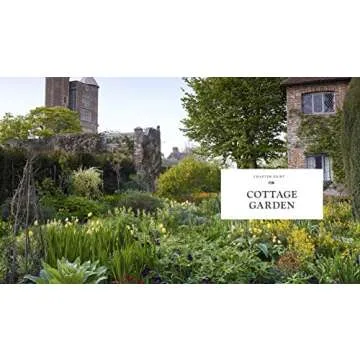
William Shenstone was not only a poet but also a gardener. He designed a beautiful landscape garden at Leasowes, which reflected the themes of his poetry. This garden is now renowned for its influence on landscape design in England.
Additional Resources
Recommended Reading on William Shenstone
For those interested in exploring more about Shenstone, consider reading "The Poems of William Shenstone" or "The Life and Works of William Shenstone". These provide deeper insights into his poetry and influences.







 Continue with Google