


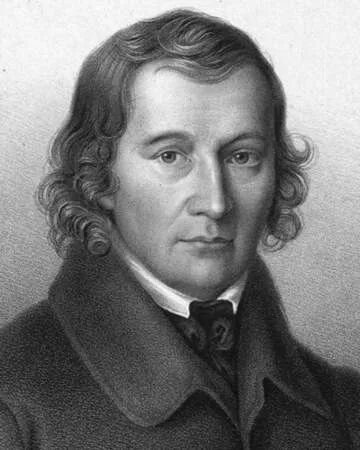
The Birth of Wilhelm Grimm in Hanau
Wilhelm Grimm was born on February 24, 1786, in the town of Hanau, located in the modern-day state of Hesse-Cassel, which was part of the Holy Roman Empire at the time. He is best known for his enduring contribution to literature through the collection known as Grimm's Fairy Tales. Alongside his brother Jacob Grimm, they ventured to preserve and popularize the folklore of Germany, which would influence generations to come.
Childhood and Early Influences on Wilhelm Grimm
Growing up in a family that revered literature and storytelling, Wilhelm was encouraged to pursue his love for tales from a young age. Despite facing financial difficulties, he remained steadfast in his educational pursuits, ultimately delving into folklore and philology, which would lay the foundation for his later famous works.
The Collaboration with Jacob Grimm
Wilhelm was closely bonded with his brother, Jacob Grimm, and together they began collecting oral tales from various sources. Their collaboration was key in the creation of Grimm's Fairy Tales, first published in 1812. The collected stories featured themes of morality, adventure, and magic, captivating audiences and earning a permanent place in global literature.
Legacy of Wilhelm Grimm
Wilhelm Grimm’s legacy is defined by his extraordinary impact on storytelling and cultural preservation. His works have transcended generations, giving rise to adaptations in films, literature, and even theme parks. The tales he and Jacob compiled have not only shaped children's literature but continue to enrich the cultural landscape around the world.
Wilhelm Grimm and Modern Interpretations
Today, Wilhelm Grimm's works are continually reinterpreted across various media. From Disney's animated adaptations to theatrical performances, the fairy tales remain as relevant and enchanting as ever, showcasing the timeless nature of storytelling.
The Academic Significance of Grimm’s Work
Beyond entertainment, the research and methodology adopted by Wilhelm and Jacob in collecting these tales set new standards in folklore studies. Their attention to regional dialects and oral traditions has enabled scholars to explore cultural narratives in-depth.
Fun Fact: Wilhelm Grimm’s Lasting Influence
Wilhelm Grimm’s Interesting Life Fact
Wilhelm once faced a significant personal challenge when he lost his position at the university due to political reasons, but he persevered, continuing his work in folklore and literature. His resilience is a testament to his commitment to the preservation of culture and storytelling.
Additional Resources
Recommended Reading on Wilhelm Grimm
For those interested in exploring the world of Wilhelm Grimm further, consider reading Children's and Household Tales (the original title of Grimm's Fairy Tales) and The Complete Fairy Tales of the Brothers Grimm. These works provide deeper insights into the themes and nature of their storytelling.








 Continue with Google