


The Birth of Beethoven of Jazz
On April 29, 1899, in the vibrant city of Washington, D.C., one of jazz music's most iconic figures was born: Edward "Duke" Ellington. Renowned as an extraordinary bandleader, composer, and pianist, Ellington transformed the landscape of jazz, blending traditional styles with innovative sounds, paving the way for future generations of artists. He is most famous for his compositions, especially the perennial favorites, "Take the A Train" and "It Don't Mean A Thing (If It Ain't Got That Swing)".
Duke Ellington's Early Life
Duke Ellington's journey into the world of music began in his childhood in Washington, where he exhibited prodigious talent on the piano. His mother played a crucial role in nurturing his musical interests, encouraging him to pursue music lessons. This early exposure to various musical genres helped shape Ellington's unique style, with elements drawn from blues, classical, and ragtime.
Ellington's Rise to Fame
As his career progressed, Duke Ellington quickly emerged as a leading figure in the jazz community. In the 1920s, he gained national attention as the bandleader of the Duke Ellington Orchestra, a group that would later become synonymous with jazz’s golden age. His performances at Harlem’s Cotton Club further propelled his popularity, showcasing his talents on the national stage.
Duke Ellington's Musical Contributions
Beyond just a unique style, Duke Ellington created music that resonated deeply with audiences. His compositions often intertwined elaborate melodies, intricate rhythms, and sophisticated harmonies, establishing him as a true innovator. Works like "Mood Indigo" and "Sophisticated Lady" demonstrate his ability to convey emotion through music.
The Impact of 'Take the A Train'
Among his many masterpieces, "Take the A Train" stands out as a quintessential American jazz tune. Composed by Billy Strayhorn, the piece became an enduring success under Ellington’s direction, symbolizing the energy and vibrancy of New York City and the spirit of the jazz era.
The Swing Era and 'It Don't Mean A Thing'
Another iconic piece, "It Don't Mean A Thing (If It Ain't Got That Swing)", highlights Ellington's ability to innovate within the genre of jazz. This track encapsulated the essence of swing music that dominated the jazz scene in the 1930s, teaching musicians that rhythm and groove are as important as melody.
Fun Fact
Duke Ellington's Interesting Fact
Duke Ellington was not just a musician; he was a cultural ambassador. He toured Europe, showcasing American jazz and promoting a positive image of African American artists, greatly contributing to the global appreciation of jazz music.
Additional Resources
Recommended Reading on Duke Ellington
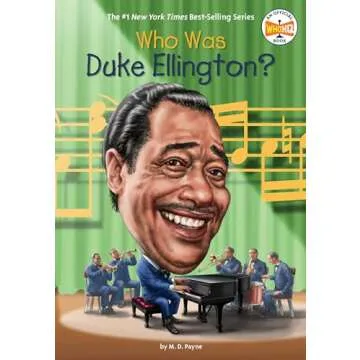
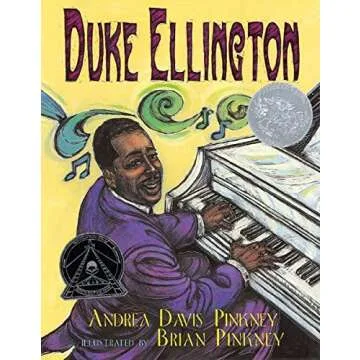
For those eager to dive deeper into Ellington's life and work, consider reading "Duke: A Life of Duke Ellington" by Edward Kennedy Ellington and "Beyond Category: The Life and Genius of Duke Ellington" by John Edward Hasse. These texts provide profound insights into the genius of this musical legend.






 Continue with Google