


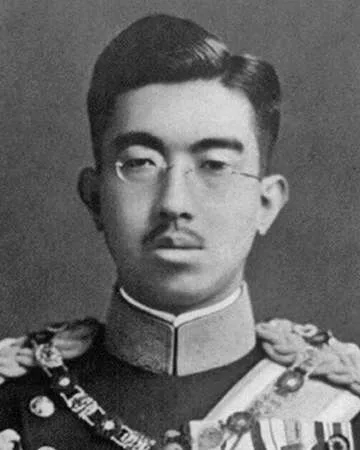
The Life and Reign of Emperor Hirohito
Emperor Hirohito, born on April 29, 1901, in Aoyama Palace, Tokyo, served as the 124th Emperor of Japan from 1926 until his death in 1989. His reign, known as the Showa era, was marked by remarkable events, including Japan's militaristic expansion, World War II, and subsequent recovery and modernization. Hirohito's life is a fascinating journey that mirrors Japan's evolution through some of its most challenging times.
Hirohito's Early Life and Ascension
Hirohito was the first Japanese crown prince to be educated in the Western tradition, spending time at the Imperial Naval Academy and studying marine biology abroad. His upbringing influenced his future as emperor, illustrating a blend of traditional and modern influences that would characterize his reign. Ascending to the throne after the death of his father, Emperor Taisho, Hirohito was faced with the responsibility of guiding Japan during a tumultuous period.
Japan under Hirohito's Rule
The early years of Hirohito's reign saw the rise of Japanese militarism and the eventual involvement in World War II. Despite being viewed as a divine figure, his role during the war remains a topic of extensive debate. The impact of Hirohito's rule on both Japan and the world cannot be understated, as it shaped the political landscape of East Asia.
The Post-War Transformation of Japan
After Japan's defeat in 1945, Hirohito played a critical role in the country's reconstruction. He became a symbol of peace and modernization, actively promoting stability and reform in the democratic era that followed. The Constitution of 1947, which stripped the emperor of his political powers, shifted Hirohito's role to that of a ceremonial figurehead.
Emperor Hirohito's Transition to a New Era
In this new environment, Hirohito worked to inspire national unity and embody the ideals of a post-war Japan, which focused on rebuilding and fostering international relations. His role in transitioning Japan from a wartime power to a peaceful nation was profound and critical.
Hirohito’s Legacy and Final Years
Despite his controversial reign, Hirohito's legacy is one of resilience and adaptation. He witnessed Japan's remarkable transformation and the rise of a prosperous, democratic nation before passing away on January 7, 1989. His death marked the end of an era and the commencement of his son, Akihito's, reign.
Fun Fact
A Unique Culture of Birthdays
Interestingly, Hirohito's birthday was celebrated in Japan as a national holiday, reflecting its deep cultural significance. The Showa Day is observed on April 29 to honor his contributions to Japan.
Additional Resources
Recommended Reading on Emperor Hirohito
For those interested in delving deeper into the life of Hirohito, consider reading "Hirohito and the Making of Modern Japan" by Herbert P. Bix. This book provides a nuanced exploration of the emperor's complex legacy and influences.








 Continue with Google