


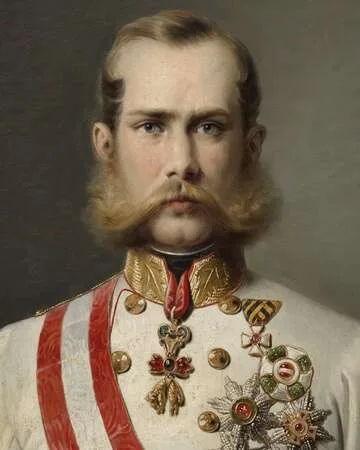
Franz Joseph I: A Historical Overview
Franz Joseph I, born on August 18, 1830, in Vienna, Austria, was one of the most significant monarchs in European history, reigning as the Emperor of Austria and the King of Hungary, Croatia, and Bohemia from 1848 until his death in 1916. His reign marked a period of extensive change across Europe as it transitioned through tumultuous times, including the rise of nationalism, imperialism, and the onset of world conflicts.
His ascension to the throne was not without challenges; he came into power amid revolutions and nationalistic movements in the Austro-Hungarian Empire. Franz Joseph managed to stabilize his realm and foster a sense of unity among various ethnic groups, despite the political tensions of a diverse empire. His leadership style, characterized by a commitment to the monarchy and resistance to reform, earned him both admiration and criticism.
Franz Joseph I's Early Years
Franz Joseph was the son of Archduke Franz Charles and Princess Sophie of Bavaria. He grew up in a politically charged atmosphere and was trained in governance, military strategy, and diplomacy. The young emperor's early experiences, particularly in handling revolts and restoring order, shaped his future as a ruler.
Franz Joseph I’s Reforms and Policies
Franz Joseph’s reign was marked by a series of reforms aimed at modernization. He established a parliamentary system in Hungary and improved infrastructure across his empire. However, these reforms were often met with resistance from conservative elements within the empire, showcasing the delicate balance he had to maintain throughout his rule.
Legacy of Franz Joseph I
Today, Franz Joseph I is remembered for his long reign and the profound impacts his policies had on Central Europe. His commitment to maintaining the integrity of the Austro-Hungarian Empire remains a significant aspect of his legacy, and historians continue to analyze the implications of his reign.
Franz Joseph I’s Later Years
The later years of his rule were marked by World War I's outbreak, and the Empire’s eventual decline. Despite the challenges, he remains a symbol of a bygone era where empires were powerful and monarchs held significant sway over political affairs.
Franz Joseph I’s Death and Its Impact
Franz Joseph I died on November 21, 1916. His death marked not just the end of an era for the Austro-Hungarian Empire but also symbolized the end of the imperial age in Europe, paving the way for emerging nation-states and contemporary politics.
Fun Fact
An Interesting Fact about Franz Joseph I
A lesser-known fact about Franz Joseph is that he was an avid photographer, particularly fond of taking pictures of landscapes and military parades, showcasing his appreciation for both nature and the military prowess of his empire.
Additional Resources
Recommended Reading on Franz Joseph I
For those interested in exploring more about this fascinating emperor, consider reading "Franz Joseph: An Imperial Life" by Jürgen Schwab or "The Habsburgs: A Very Short Introduction" by Barbara Stollberg-Rilinger for an insightful analysis of his reign and the impact on European history.





 Continue with Google