


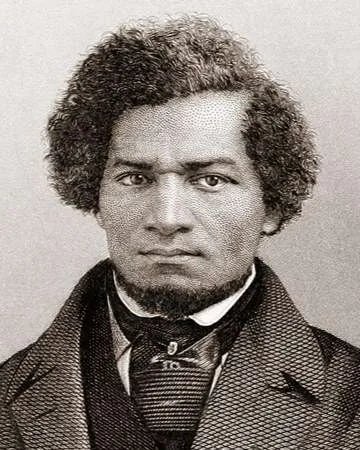
The Remarkable Life of Frederick Douglass
Frederick Douglass was born around 1817 in Talbot County, Maryland. A notable figure in American history, he escaped the shackles of slavery and became a profound advocate for abolition and equal rights. His journey from a life of servitude to becoming a leading voice for justice is nothing short of inspirational.
Frederick Douglass: The Escape from Slavery
Douglass's escape from bondage in 1838 was a significant turning point, not only for him but also for the abolitionist movement. He cleverly borrowed identity papers from a free Black sailor to make his escape to New York City. This act of bravery gave him the freedom he sought but also ignited a passion within him to fight against the injustices faced by not only himself but all enslaved African Americans.
Frederick Douglass: A Powerful Orator and Writer
Once free, Douglass became a sought-after lecturer, renowned for his eloquence and ability to capture the hearts and minds of his audience. His famous speeches, such as "What to the Slave is the Fourth of July?", demonstrated his rhetorical prowess and clarified the moral contradictions within American slavery. Additionally, he published several autobiographies, sharing his experiences and advocating passionately for equality.
Douglass's Influence on American Society
Douglass's contributions to the abolitionist cause and the fight for civil rights cannot be overstated. His ability to communicate effectively and his impressive writings influenced many and inspired future generations to continue the battle for justice and equality.
The Impact of Douglass's Writings
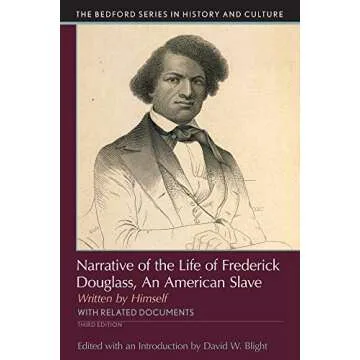
Frederick Douglass's autobiographies, particularly "Narrative of the Life of Frederick Douglass, an American Slave", detailed the harsh realities of slavery while illuminating the human spirit's resilience. These works served as pivotal texts in the abolitionist movement and provided a raw, personal perspective that galvanized public opinion against slavery.
Douglass's Role in Reconstruction
After the Civil War, Douglass continued to fight for civil rights during the Reconstruction Era. He advocated fervently for the rights of African Americans, emphasizing the importance of education and political participation. His commitment helped lay the groundwork for the civil rights movements that would follow in the century to come.
Fun Fact
Frederick Douglass's Interesting Fact
Did you know that Frederick Douglass was also a strong advocate for women's rights? He attended the Seneca Falls Convention in 1848, supporting the suffrage movement and emphasizing equality for all.
Additional Resources
Recommended Reading on Frederick Douglass
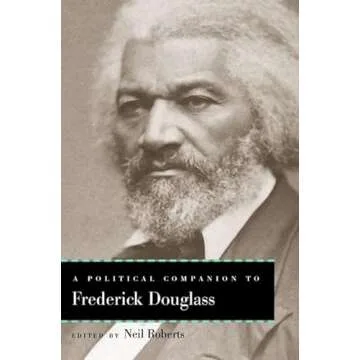
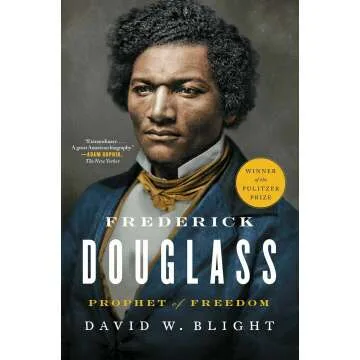
For those interested in learning more about Frederick Douglass, consider reading his own powerful narratives, including Narrative of the Life of Frederick Douglass and My Bondage and My Freedom. These texts are essential for understanding his extraordinary life and enduring impact.



 Continue with Google