


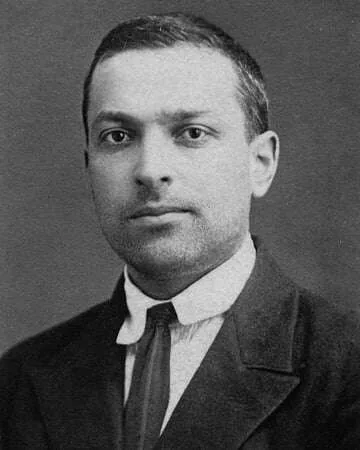
The Early Life of Lev Vygotsky
Birth and Background of Lev Vygotsky
Lev Vygotsky was born in Orsha, in the Russian Empire, in 1896. Growing up in a culturally rich environment, Vygotsky was exposed to a variety of educational philosophies that would later influence his groundbreaking psychological theories. He was born to a Jewish family which enriched his intellectual upbringing, allowing him to flourish in his studies.
Education and Influences on Vygotsky
Vygotsky pursued his education vigorously, attending a high school known for its focus on humanities. He later attended Saint Petersburg University, where he engaged deeply with literature, philosophy, and psychology. Influenced by thinkers such as Sigmund Freud and the philosophical ideas circulating in Russia at the time, Vygotsky began to shape his unique views on cognitive development.
Vygotsky’s Psychological Theories
The Zone of Proximal Development
One of Vygotsky's most notable contributions to psychology is the concept of the Zone of Proximal Development (ZPD). This theory highlights the difference between what a learner can do independently and what they can achieve with guidance and encouragement. This principle has had a profound impact on educational practices around the world.
Social Interaction and Learning
Vygotsky posited that social interaction plays a fundamental role in cognitive development. He argued that community and culture form the foundation of learning, suggesting that children develop their understanding through social dialogues. His emphasis on collaboration and dialogue has made a lasting imprint on both psychology and education.
Vygotsky’s Enduring Legacy
Influence on Education and Psychology
Despite his untimely death in 1934 at the age of 37, Vygotsky’s ideas have profoundly influenced modern education and psychology. His theories continue to shape teaching strategies and cognitive development models, especially in terms of understanding language acquisition and social learning.
Recognition Posthumously
Today, Vygotsky is celebrated globally, and his works are studied extensively. His contributions laid the groundwork for various fields, including developmental psychology, education, and linguistics, making him one of the pivotal figures in the study of human development.
Fun Fact
Lev Vygotsky’s Unfinished Works
Although Vygotsky passed away at a young age, he left behind numerous manuscripts. Some of his most influential text, including those on child psychology and education, were published posthumously, indicating the depth of his insights and the vast potential of his ideas.
Additional Resources
Recommended Reading on Lev Vygotsky
To further explore Vygotsky's important contributions, consider the following works: Mind in Society: The Development of Higher Psychological Processes and Thought and Language. These texts encapsulate his perspective on the interconnectedness of thinking, language, and cultural context in human development.










 Continue with Google