


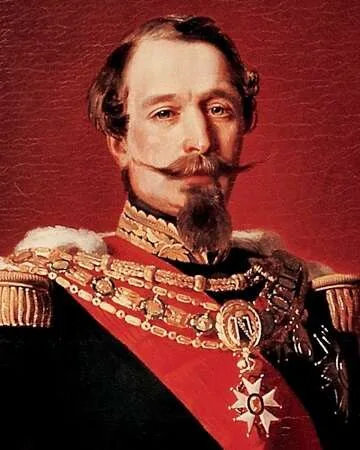
Napoleon III: The Man Behind the Empire
Born on April 20, 1808, in Paris, Napoleon III was the first President of France and later became its Emperor from 1852 until 1870. He was the nephew of Napoleon Bonaparte and shared a similar ambition for greatness and power. He rose to prominence during a time when France was enveloped in political turmoil and sought to restore stability and authority. His reign was marked by significant urban modernization in Paris and the influence of rapid industrialization.
Napoleon III's Early Life
Napoleon III was born Charles-Louis Napoléon Bonaparte. He spent much of his early life in exile after his uncle's fall from power, developing a desire to reclaim the Bonaparte legacy. He returned to France in 1848, motivated by the revolutionary wave that swept across Europe. His charisma and political acumen quickly garnered support, allowing him to become elected as President of the French Second Republic.
Reign as Emperor
On December 2, 1852, he declared himself Emperor, taking the name Napoleon III. His rule saw a transformation of Paris into a modern city, the construction of iconic structures such as the Palais Garnier and expansive public parks. His foreign policy was ambitious, seeking to expand French influence globally, which included his successes and failures in places like Mexico and Italy.
Challenges and Downfall
Despite his achievements, Napoleon III's reign faced significant challenges, especially during the Franco-Prussian War which began in 1870. The conflict exposed weaknesses in his military strategy and ultimately led to his capture, marking the end of his empire.
Franco-Prussian War and Loss of Power
The Franco-Prussian War was a defining moment for Napoleon III, as it significantly diminished his power and credibility. His defeat and subsequent capture in September 1870 at the Battle of Sedan marked the collapse of the Second Empire and led to the establishment of the French Third Republic.
Exile and Death
After his ousting, Napoleon III resigned to exile in England, where he lived until his death on January 9, 1873. Although his reign was fraught with difficulties, his contributions to modernization in France and his complex legacy continue to evoke discussions among historians today.
Fun Fact
Interesting Tidbit About Napoleon III
Aside from his political endeavors, Napoleon III was known for his passion for the arts and sciences. He was instrumental in the promotion of the 1867 International Exposition in Paris, blending commerce with culture, and leaving a lasting impact on the landscape of modern exhibitions.
Additional Resources
Recommended Reading on Napoleon III
For those interested in a deeper exploration of his life and impact, check out "Napoleon III and the Second Empire" by Andrew Roberts, and "The Last Emperor of France" by John Talboy. These resources provide extensive insights into his policies, reign, and lasting influence.







 Continue with Google