


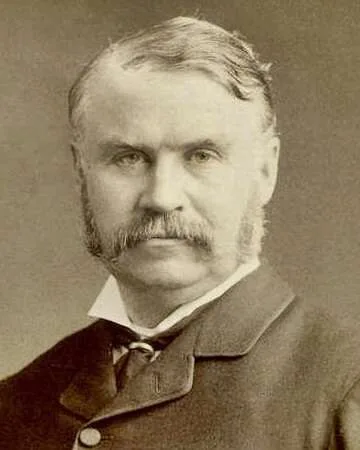
The Birth of W. S. Gilbert
W. S. Gilbert's Early Years
Born in London on November 18, 1836, William Schwenck Gilbert became one of the most recognized names in British theater. His upbringing in a creative family fueled his passion for the arts, leading him to explore various forms of writing. Though he initially engaged in a career in law, his heart belonged to the stage.
The Artistic Partnership with Arthur Sullivan
Gilbert's most notable contribution to musical theater came through his collaboration with composer Arthur Sullivan. They paired their talents to create a series of enchanting works that produced some of the most beloved operas in history, including The Pirates of Penzance and H.M.S. Pinafore. Their unique blend of clever lyrics and catchy melodies revolutionized the genre.
Major Works and Their Impact
Notable Operas by Gilbert and Sullivan
Among their celebrated works, The Mikado stands out as a brilliant satire on British society, set against the backdrop of Japan. Premiering in 1885, it introduced a host of memorable characters and catchy tunes, making it a staple of operatic repertoire worldwide.
The Enduring Influence of W. S. Gilbert
Gilbert's influence extends beyond his lifetime. His wit and whimsical storytelling have been embraced by generations, inspiring countless adaptations and revivals. His legacy lives on in the world of theater, where his works continue to be celebrated and performed, captivating audiences everywhere.
Fun Fact
An Interesting Quirk of W. S. Gilbert
Did you know that W. S. Gilbert often included references to contemporary politics and societal norms in his operas? This clever use of satire not only entertained audiences but also provided sharp commentary on issues of the day.
Additional Resources
Recommended Reading on W. S. Gilbert
For those interested in diving deeper into the life of this theatrical genius, consider reading "The Gilbert and Sullivan Opera: A New Study of the Works of W. S. Gilbert and Arthur Sullivan" and "W. S. Gilbert: A Biography". These texts offer a richer understanding of his creative process and the cultural impact of his work.











 Continue with Google