


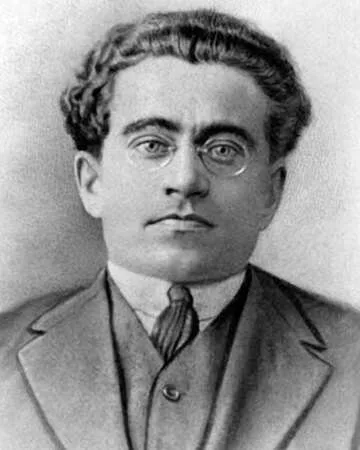
Legacy of Antonio Gramsci: A Revolutionary Thinker
Antonio Gramsci, born on January 22, 1891, in Ales, Sardinia, Italy, was a prominent Italian philosopher and Marxist theorist whose ideas have influenced political thought for generations. Despite his untimely death in 1937, his legacy continues through the profound impact of his writings and concepts, particularly that of cultural hegemony. Gramsci's insights into the relationship between culture and politics opened new avenues for understanding social power dynamics in capitalist societies.
Antonio Gramsci's Early Life and Education
Growing up in a poor family, Gramsci faced numerous challenges but was determined to pursue education. He eventually attended the University of Turin, where his political consciousness flourished, and he became involved with socialist movements. It was during this period that he deepened his engagement with Marxist theory, setting the stage for his future contributions to political and cultural critique.
Influence on Marxism: The Concept of Cultural Hegemony
One of Gramsci's most significant contributions to Marxist theory is the concept of cultural hegemony. He argued that the ruling class maintains control not just through political and economic means but also through cultural institutions that shape societal norms. This idea stresses the importance of culture in the realm of politics and offers a framework for understanding how consent is manufactured within societies.
Gramsci's Imprisonment and Its Impact on His Work
Gramsci's opposition to the Fascist regime in Italy led to his imprisonment in 1926. Despite the harsh conditions of his confinement, he wrote extensively, producing some of his most pivotal works that would later be published as the Prison Notebooks. These writings explore various themes, including education, philosophy, and the role of intellectuals in society.
Antonio Gramsci and His Political Vision
Gramsci envisioned a society where the working class could achieve power through a combination of political struggle and cultural transformation. His belief that intellectuals play a vital role in the revolutionary process emphasizes the need for societal change to come from a deep understanding of culture and community.
Legacy and Continued Relevance of Gramsci's Theories
Even decades after his death, Gramsci's theories remain relevant in contemporary discussions about power, culture, and politics. His exploration of class struggle, ideology, and the role of civil society continues to inspire activists and scholars alike, demonstrating that his insights into the nature of power relationships are timeless.
Fun Fact: Gramsci's Notebooks
Antonio Gramsci's Interesting Fact
While imprisoned, Gramsci often wrote on scraps of paper, making his Prison Notebooks a remarkable collection of revolutionary thought under restrictive circumstances. This passion for intellectual work amidst adversity showcases his dedication to socialism and cultural critique.
Additional Resources
Recommended Reading on Antonio Gramsci
For those interested in delving deeper into Gramsci's thought, consider reading “Prison Notebooks” and “The Modern Prince”. These works provide essential insights into his theories and their applicability in modern contexts.






 Continue with Google