


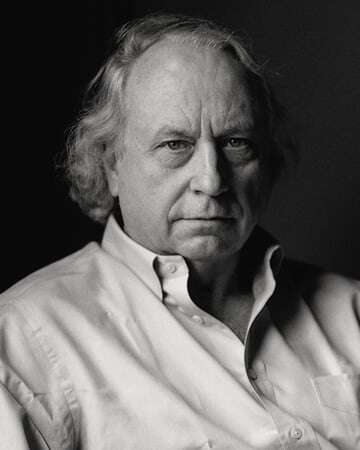
Rodney Brooks: The Pioneer in Robotics
Rodney Brooks, the Visionary Australian Roboticist
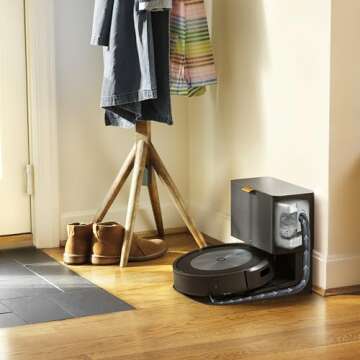
Rodney Brooks, born in 1954 in Adelaide, Australia, has made monumental contributions to the field of robotics. His innovations have transformed how we understand and interact with robots today. Brooks is best known for co-founding iRobot, which revolutionized domestic cleaning with the introduction of the Roomba vacuum robot, changing household chores forever.
The Influence of My Previous Work on Baxter
In addition to his work with iRobot, Brooks developed Baxter, a robotic assistant designed for manufacturing. This innovative robot features a human-like appearance and an easy-to-use interface, showcasing Brooks’ vision of making robots accessible and functional in everyday life.
The Journey of Rodney Brooks: A Retrospective
The Early Years: Roots in Australia
Growing up in Adelaide, Brooks exhibited a keen interest in science and mathematics which would lay the groundwork for his future endeavors. His pursuit of higher education took him to the esteemed Massachusetts Institute of Technology (MIT), where he later became a professor and director of the MIT Artificial Intelligence Laboratory.
Legacy of Innovation and Education
Brooks’ work extends beyond just robotics; he is a passionate educator. His teachings inspire countless students to delve into robotics and artificial intelligence, emphasizing a hands-on approach. This dedication to innovation has earned him various accolades, including the IEEE Robotics and Automation Award.
Fun Fact
Rodney Brooks' Unique Robotics Philosophy
Rodney Brooks is a strong advocate of the 'embodied intelligence' approach, which suggests that intelligence is developed through physical interaction with the environment. This philosophy has shaped the design of many of his robots.
Additional Resources
Recommended Reading on Rodney Brooks
For those interested in diving deeper into Brooks’ contributions, check out his book "Robot: The Future of Flesh and Machines", and explore his innovative perspectives on robotics.





 Continue with Google