


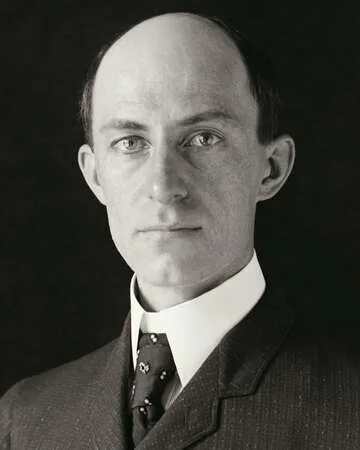
Wilbur Wright: The Visionary Behind the Skies
Wilbur Wright, born in Millville, Indiana in 1867, was not just another name in history; he was one of the brothers who revolutionized the world of aviation. Along with his brother Orville, Wilbur's insatiable curiosity and remarkable ingenuity led to the invention of the first successful powered airplane. This monumental achievement took place on December 17, 1903, when the Wright brothers flew the Wright Flyer at Kitty Hawk, North Carolina, marking a pivotal moment in human history.
Wilbur's passion for mechanics and flight began in his youth. He was deeply influenced by the works of early aviators and scientists. This profound interest would lay the groundwork for his groundbreaking experiments and designs in aeronautics. Through a combination of trial, error, and relentless determination, Wilbur and Orville overcame numerous challenges that stood in the way of their dream to fly.
Wilbur Wright's Contributions to Aviation
Wilbur’s contributions were not limited to just the initial flight; he was deeply involved in developing the principles of flight control, stability, and wing design. He advocated for a more scientific approach to aviation, conducting experiments that would lead to significant advancements in aerodynamics. His relentless pursuit of knowledge and improvement resulted in the development of innovative aircraft designs that would influence future generations of aviators.
The Legacy of Wilbur Wright
Wilbur Wright's legacy is unparalleled. Not only did he share his insights and knowledge with other aviation pioneers, but his work laid the foundation for the modern aviation industry. Today, hundreds of thousands of flights take off and land every day, a direct testament to Wilbur's pioneering spirit and the technological advancements he helped create.
Remembering Wilbur Wright's Impact
Wilbur Wright’s contributions extend beyond just their mechanical innovations; they inspire countless dreamers and innovators worldwide. His undying quest for knowledge serves as a reminder of the limitless possibilities that lie within human ingenuity. The Wright brothers' commitment to making their dreams a reality transformed the way we think about transportation and has shaped modern society.
Wilbur Wright: A Pioneer Beyond Flight
Wilbur was not only an inventor; he was also a strategic thinker who understood the importance of public perception and government support in the aviation industry. His efforts in promoting aviation led to further investments and curiosity in the field, which ultimately fueled rapid advancements in the subsequent decades.
Wilbur Wright's Enduring Influence
Even after his untimely passing in 1912 at the age of 45, Wilbur Wright’s influence endured. His spirit of innovation is evident in today’s aerospace industry, continuing to inspire engineers, pilots, and dreamers who look to the skies.
Fun Fact
Wilbur's Interesting Fact
Did you know that Wilbur and Orville initially struggled to gain recognition for their contributions to aviation? It wasn't until after their historic flight at Kitty Hawk that the world began to understand the magnitude of their accomplishments, prompting a flurry of interest in aviation as a legitimate field.
Additional Resources
Recommended Reading on Wilbur Wright
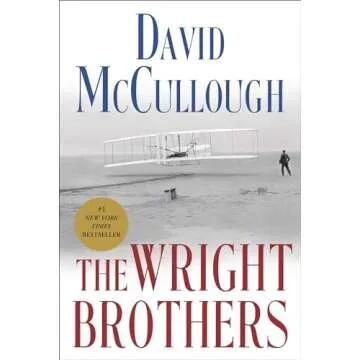
To delve deeper into the remarkable life and legacy of Wilbur Wright, consider reading "The Wright Brothers" by David McCullough and "Wilbur and Orville: A Biography of the Wright Brothers" by Fred Kelly. These works capture the spirit of the Wrights and the adventurous journey that changed aviation forever.









 Continue with Google