


William Henry Squire: The Virtuoso Cellist
Born in 1871, William Henry Squire would go on to leave an indelible mark on the world of classical music. Hailing from the picturesque town of Ross-on-Wye in Herefordshire, England, Squire's journey from a budding musician to an acclaimed cellist, music educator, and composer exemplifies the profound impact one individual can have on the arts. His contributions to cellistry and music pedagogy resonate to this day, inspiring countless musicians around the globe.
Squire's formal education included studies under notable instructors, which honed his skills both as a performer and a teacher. He quickly became known for his mastery of the cello, captivating audiences with his expressive playing and technical prowess. Throughout his career, Squire also dedicated himself to teaching, believing firmly in the importance of nurturing young talent.
The Life and Times of William Henry Squire
William Henry Squire was born to a family that recognized and encouraged his musical gifts. His formative years were spent cultivating a deep passion for music, which would later blossom into a lifetime vocation. As a composer, Squire produced numerous works that showcased the cello's versatility, pushing the boundaries of its repertoire.
Squire’s Contributions to Music Education
In addition to his performance accolades, Squire was a devoted educator. His teaching philosophy emphasized personal expression and creativity, allowing students to develop their unique styles. Many of his pupils went on to have successful careers themselves, a testament to his skill as a teacher and mentor.
An Enduring Musical Legacy
William Henry Squire's legacy is one of dedication and excellence. His works are frequently performed by cellists worldwide; his compositions remain staples in the cello repertoire. His influence is seen not only in performances but in the pedagogical methods adopted by modern music educators.
The Impact of Squire's Compositions
Squire's compositions often reflect a blend of traditional and innovative styles, appealing to both musicians and audiences. His works have been recorded and played by many notable artists, ensuring their place in musical history.
Squire’s Influence on Music Pedagogy
Today, Squire's approach to education continues to inspire music teachers. His emphasis on nurturing creativity and personal expression in students remains crucial in music instruction today.
Fun Fact About William Henry Squire
Squire’s Interesting Music Journey
Despite being best known for his cello prowess, Squire was also an avid composer; one of his notable works includes the "Spanish Dance", which beautifully showcases the lyrical qualities and technical abilities of the cello.
Additional Resources
Recommended Reading on William Henry Squire
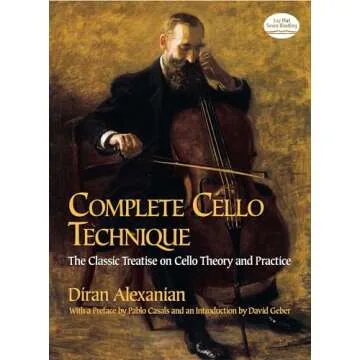
For those interested in diving deeper into the life of William Henry Squire, the following books are excellent resources: "The Cello: A History" and "Great Cellists". These titles delve into the world of cello music and the musicians who shaped it, including Squire himself.





 Continue with Google