


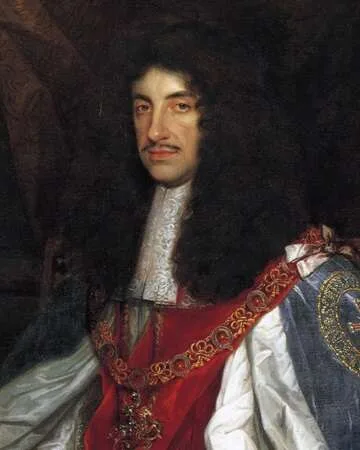
The Accession of Charles II
The year 1649 marked a significant turning point in British history with Charles II being proclaimed King of Great Britain by the Covenanter Parliament of Scotland. This event occurred shortly after the execution of his father, King Charles I, which set the stage for a tumultuous period in the British monarchy. Following the civil wars, the monarchy was in a precarious position, with the nation divided over issues of governance and religious authority.
Charles II: A Young Prince in Exile
Born in 1630, Charles II spent much of his formative years witnessing the political upheaval that engulfed his family. After the execution of Charles I, Charles II fled to France, where he would remain in exile for nearly a decade. Despite the obstacles, Charles remained a figurehead for Royalists who hoped for a return of monarchy in England. His proclamation in Scotland was a pivotal moment that breathed new hope into the Royalist cause.
The Role of the Covenanter Parliament
The Covenanter Parliament of Scotland, which had opposed Charles I’s attempts to impose Anglicanism and sought to uphold Presbyterianism, played a crucial role in the ascension of Charles II. They declared him king, hoping he would honor the Covenant, a sacred agreement that aimed to maintain the reformed religion in Scotland. This declaration created tension between the Scottish Covenanters and the English Parliament, who had recently enacted a republic.
Implications of the Proclamation
Charles II’s proclamation as king in 1649 was more than just a title; it represented a significant reclamation of power from the Republic established in England. It ignited hopes and dreams among the Royalists and marked the start of what would eventually lead to the Restoration of the monarchy in 1660.
The Royalist Movement
This proclamation galvanized support among Royalist factions across England and Scotland. The idea of a rightful king resonated with those disillusioned by the harsh realities of republican rule. Despite initial success, the Royalist forces faced numerous challenges that would test their loyalty and resolve.
Charles II’s Vision for England
Despite his tumultuous beginnings, Charles II held a vision of a united and flourishing Britain. His reign would ultimately focus on restoring the monarchy's dignity and enhancing religious tolerance, which would set the foundation for modern governance in the UK.
Fun Fact
The Return of the Merry Monarch
Charles II was known as the “Merry Monarch” due to his lively court and engaging personality. His return to the throne in 1660 brought a sense of celebration, cultural revival, and stability after years of conflict.
Additional Resources
Recommended Reading on Charles II
To gain a deeper understanding of this fascinating period, consider reading "Charles II: An Illustrated History" by David Cressy or "The Merry Monarch: Charles II and His World" by David Mitchell for insights into his life and reign.








 Continue with Google