


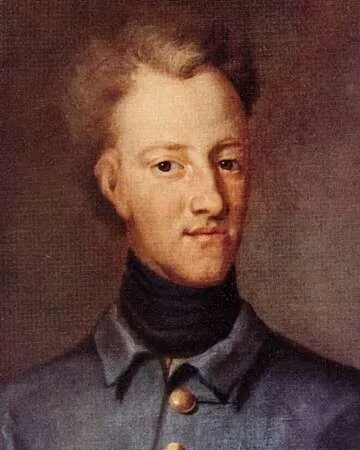
The Rise of Charles XII
Charles XII, born in 1682 at the iconic Tre Kronor in Stockholm, Sweden, became king at the tender age of 15. His reign, lasting from 1697 to 1718, was marked by militarism and battles as he sought to expand the territories of Sweden. With a fervent passion for warfare, Charles XII led his troops into several significant conflicts during the Great Northern War, a regional struggle against a coalition of nations.
Charles XII and the Great Northern War
The Great Northern War began in 1700, shortly after Charles took the throne, and it significantly shaped his rule. Charles was determined to maintain Sweden's status as a major European power and sought to repel the Russian, Danish, and Polish forces threatening his kingdom. His audacious military strategies often put him in the heat of battle, and his personal involvement inspired his soldiers.
The Battle of Narva
One of the defining moments of Charles XII's military career was the Battle of Narva in 1700, where despite being heavily outnumbered, his forces achieved a stunning victory against the Russians. This win catapulted him into the spotlight, showcasing his military prowess. However, this battle also set off a series of conflicts that would test Sweden’s resources and Charles’ leadership.
The Downfall and Legacy of Charles XII
Charles XII's ambitions eventually led Sweden into a series of hardships. His relentless pursuit of greatness culminated in the fateful invasion of Russia, which ended disastrously at the Battle of Poltava in 1709. Following this defeat, Charles faced numerous challenges, dwindling resources, and mounting opposition, leading to the eventual decline of Swedish dominance in the region.
Charles XII’s Last Stand
Charles XII fled to the Ottoman Empire after the loss at Poltava, seeking to rebuild his strength, but his return to Sweden was fraught with difficulty. He spent years planning his comeback and finally returned to his homeland, only to face internal strife and political instability. His reign concluded when he died in 1718 during a siege in Norway, marking the end of an era.
The Impact of Charles XII on Sweden
Despite the controversies surrounding his reign, Charles XII is often remembered as a symbol of bravery and determination. His legacy is complex; while his aggressive tactics led to short-term victories, they also contributed to Sweden's eventual decline as a great power in Europe. Today, he is commemorated in Swedish history as the "last of the warrior kings."
Fun Fact
Charles XII's Interesting Fact
Did you know that Charles XII was fluent in multiple languages, including French, German, and Russian? This skill was essential for communicating with allies and enemies alike during the tumultuous times of his reign.
Additional Resources
Recommended Reading on Charles XII
For those eager to learn more about this fascinating monarch, consider reading "Charles XII of Sweden: A Life of War and Honor" by R. Ian McDonald or "The Rise and Fall of a Warrior King" by M. Kenneth Ramsholt for deeper insights into Charles XII’s life and legacy.











 Continue with Google