


The Historic Moment of 1492
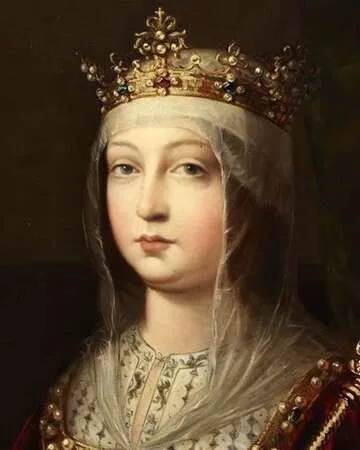
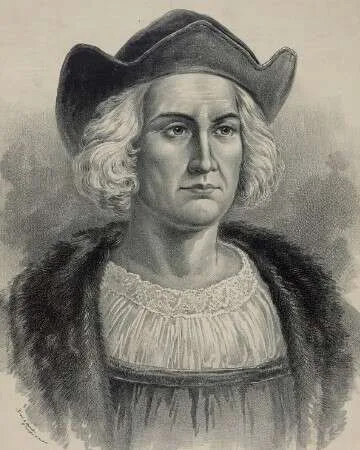
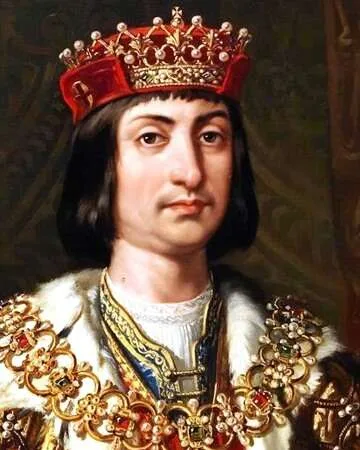
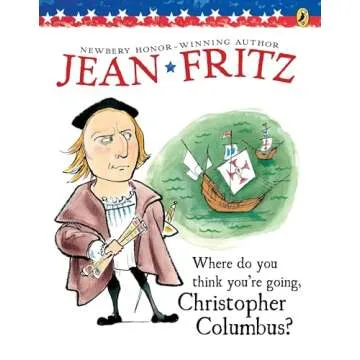
In the year 1492, a pivotal moment in world history unfolded when Christopher Columbus was granted a royal commission by the Spanish monarchs, Isabella I of Castile and Ferdinand II of Aragon. This commission enabled Columbus to embark on his ambitious maritime expedition across the Atlantic Ocean, a quest driven by the desire to find a western sea route to Asia. The implications of this event were monumental, setting the stage for European exploration and the eventual colonization of the Americas.
Columbus's Background and Ambitions
Christopher Columbus, born in Genoa, Italy in 1451, was a skilled navigator and sailor. He possessed a fervent ambition to reach Asia by sailing west, fueled by the lucrative spice trade and the desire to spread Christianity. After several rejections from various European courts, it was the fervent support of Queen Isabella and King Ferdinand that finally enabled Columbus's dream to materialize, as they saw the potential to expand their territories and enhance their wealth through exploration.
The Royal Commission and Its Significance
The royal commission sanctioned by Isabella and Ferdinand included not just funding but also the authority to claim new lands, spread Christianity, and establish trade routes. This commissioning was a strategic move that highlighted Spain's emerging status as a formidable global power. The support from the monarchy allowed Columbus to assemble a fleet of three ships—Nina, Pinta, and Santa Maria—setting the course for a journey that would change the world.
Impact on World History
The granting of this commission not only marked the beginning of Columbus's voyage but it also ushered in an era of European exploration and colonization that would have lasting consequences on the indigenous peoples of the Americas. Columbus's landing in 1492 on what he called San Salvador marked the first encounter between Europeans and the New World, igniting both curiosity and conflict.
Consequences of Columbus's Discovery
The ripple effects of Columbus's initial 1492 journey were profound, leading to the Columbian Exchange—a transference of goods, culture, and unfortunately, diseases between the Old and New Worlds. This event initiated centuries of colonial dominance by European powers in the Americas, profoundly affecting the social, economic, and political structures of both worlds.
The Legacy of Exploration in America
Columbus’s voyages contributed significantly to the Age of Exploration, encouraging other nations to explore uncharted territories. This period was marked by intense competition among European powers, leading to the eventual establishment of colonies and trading empires in North and South America, forever altering the global landscape.
Fun Fact
Columbus Never Knew He Discovered a New Continent
It’s fascinating to note that Columbus spent his entire life believing he had found a new route to Asia. He died in 1506, still unaware that he had actually discovered a separate continent now known as the Americas.
Additional Resources
Recommended Reading on Christopher Columbus
For those interested in delving deeper into the life and voyages of Columbus, consider exploring "Columbus: The Four Voyages" by Laurence Bergreen and "A People's History of the New World" by Hal N. M. Carrión, which provide diverse perspectives on his impact and legacy.





 Continue with Google