


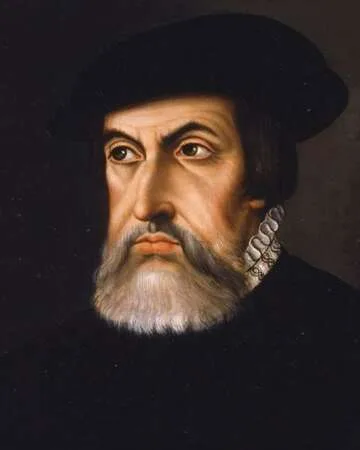
The Historic Departure of Hernán Cortés
On February 18, 1519, Hernán Cortés embarked on a momentous journey from Cuba to the Yucatan Peninsula, Mexico. This expedition, consisting of 11 ships and around 500 men, marked the beginning of a transformative period in the Americas. Cortés, a Spanish Conquistador, was driven by the desire for wealth and glory, but little did he know that his actions would change the course of history.
Cortés: A Visionary Adventurer
Born in 1485 in the town of Medellín, Spain, Hernán Cortés was a man of ambition. Following his studies in law, he decided to seek his fortune in the New World. After joining previous expeditions in the Caribbean, Cortés became determined to explore further into the mainland of America, aiming to claim wealth and land for Spain.
The Motivation Behind Cortés's Voyage
The allure of riches, particularly gold, inspired many explorers of the time. Cortés learned of the rich lands of the Aztecs from previous expeditions and sought to conquer them. His decision to sail from Cuba was fueled by tales of vast treasures and the promise of land, setting the stage for an adventure that would lead to the fall of the Aztec Empire.
The Voyage to the Yucatan Peninsula
Cortés's fleet left Cuba and arrived on the coast of what is now Mexico on April 22, 1519. Faced with challenges, including storms and potential mutiny, Cortés demonstrated exceptional leadership. Once in Mexico, he forged alliances with various indigenous groups, showcasing his strategic acumen and diplomatic skills.
The First Encounter with Native Peoples
Upon landing, Cortés and his men made initial contacts with local tribes, including the Totonacs and later the Tlaxcalans, both of whom played crucial roles in aiding Cortés against the Aztecs. This form of alliances would be pivotal in his conquests, proving that diplomacy could often work hand-in-hand with military strength.
The Challenges Faced by Cortés
Throughout the expedition, Cortés encountered various obstacles, from harsh terrain to resistance from native tribes. He also faced internal conflicts within his ranks, as some men desired to return to Cuba. However, Cortés's decisive actions, including the sinking of his ships to prevent retreat, solidified his commitment to the conquest.
A Turning Point in the Conquest of the Americas
Cortés's journey from Cuba to Mexico was not just a simple expedition; it marked the beginning of a new era of Spanish colonization and the subsequent spread of European influence throughout the Americas. His successful strategy of using alliances and warfare forever altered the demographic and cultural landscape of the region.
The Legacy of Cortés's Expedition
The expedition sparked curiosity and further exploration by other European powers in the Americas. Cortés's legacy remains contentious, viewed either as a hero to some or a villain to others, particularly among the indigenous peoples of Mexico.
The Aftermath of the Expedition
Following his initial landing, Cortés eventually led a campaign that led to the fall of Tenochtitlan in 1521, resulting in Spanish rule over the Aztec Empire. This conquest resulted in significant cultural and societal changes, with lasting impacts that are still felt in Mexico today.
Fun Fact
Cortés's Interesting Encounter with La Malinche
During his conquest, Hernán Cortés encountered La Malinche, a native woman who became his translator and advisor. Her role was crucial in helping Cortés navigate the complex cultural landscape of the Aztec Empire, showing the importance of individuals in historical events.
Additional Resources
Recommended Reading on Hernán Cortés
For those interested in exploring more about Hernán Cortés, consider reading "Conqueror: Hernán Cortés, King Montezuma, and the Last Stand of the Aztecs" by Buddy Levy. This book provides an engaging narrative of the events surrounding Cortés's expedition and the subsequent conquest of the Aztecs.












 Continue with Google