



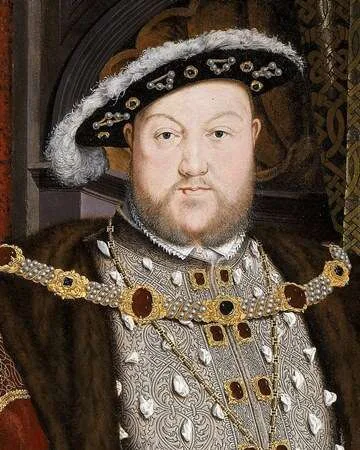
Thomas Cromwell's Rise to Power
The year 1534 marked a pivotal moment in English history when Thomas Cromwell was appointed as the Chief Secretary to King Henry VIII. This appointment showcased Cromwell's growing influence in the royal court, transitioning from a commoner to one of the most powerful men in England.
Background on Thomas Cromwell
Born in Putney, London, Thomas Cromwell was the son of a blacksmith. He rose through the ranks due to his intelligence and resourcefulness, initially serving in the household of Cardinal Wolsey. His legal expertise and administrative skills caught the attention of Henry VIII, leading to his appointment as Chief Secretary.
Cromwell's Duties as Chief Secretary
In this role, Cromwell was responsible for managing the King’s correspondence and implementing royal policies, particularly regarding the dissolution of the monasteries, which drastically changed the religious landscape of England. His sharp mind and political acumen allowed him to navigate the complexities of Tudor politics effectively.
The Impact of Cromwell’s Appointment
Cromwell's appointment profoundly impacted both the monarchy and England's governance. Under his influence, Henry VIII moved away from the Catholic Church, leading to the establishment of the Church of England.
The Role of Chief Secretary in the Reformation
Thomas Cromwell utilized his position to advance the English Reformation, implementing policies that reduced the power of the Catholic Church and increased the King's authority. His strategies set the foundation for Protestant England.
Cromwell and the Dissolution of the Monasteries
One of Cromwell's most significant actions as Chief Secretary was overseeing the dissolution of monasteries. This process not only diminished the power of religious institutions but also redistributed their wealth to the Crown, aligning with the King’s desire for greater financial stability.
Fun Fact
Thomas Cromwell's Unexpected Legacy
Despite his remarkable rise, Cromwell's fortunes turned in the 1540s due to court intrigues, ultimately leading to his execution in 1540. His legacy, however, endures through the profound changes he enacted in England.
Additional Resources
Recommended Reading on Thomas Cromwell
For those interested in learning more about Thomas Cromwell, consider reading "Wolf Hall" by Hilary Mantel, which offers a fictionalized account of his life, or "The Rise and Fall of Thomas Cromwell" by David Loades, which provides a detailed historical perspective.












 Continue with Google