


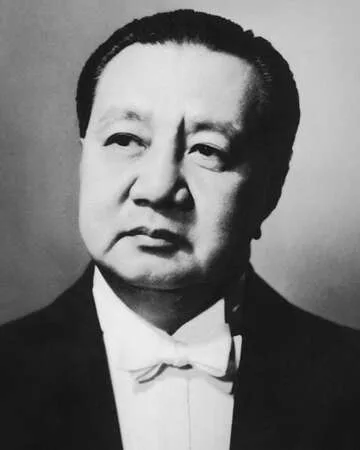
The Transition of Power: Elpidio Quirino Becomes President
On April 17, 1948, Elpidio Quirino was sworn in as the fifth President of the Philippines just two days after the passing of the previous president, Manuel Roxas. This pivotal moment in Philippine history marked a significant transition of leadership during a time of recovery from World War II and political instability. Quirino's ascent to the presidency was not only a testament to his political acumen but also to the trust placed in him by the nation in a time of grief and uncertainty.
Quirino had previously served as the Vice President under Roxas, positioning him as the natural successor. His presidency came with challenges, including the need to address poverty, reinforce national security, and rebuild a nation that had suffered extensive damage during the war. Quirino's leadership would be shaped significantly by these demands and the expectations placed upon him by the Filipino people.
Elpidio Quirino's Background
Born on November 16, 1890, in the province of Ilocos Sur, Quirino was a member of a prominent political family. He began his political career as a member of the Philippine Assembly and later became a prominent figure in the National Assembly. His earlier roles included serving as a delegate in the 1934 Constitutional Convention and as a member of the Cabinet. These experiences paved the way for his role as Vice President and subsequently, President.
The Context of Quirino's Presidency
Quirino's presidency came at a crucial time in history, as it was characterized by the need for national rebuilding following years of occupation and conflict. He inherited not only the government’s challenges from Roxas but also the ongoing threat of insurgency and social unrest triggered by aggrieved groups from the wartime period. His administration had to focus on economic recovery while managing the expectations of a populace eager for progress.
Quirino's Contributions and Policies
During his term, Quirino worked on various reforms aimed at stabilizing the Philippine economy and restoring faith in the government. His administration prioritized land reform and infrastructure development to help stimulate economic growth, and he implemented measures to alleviate poverty.
Land Reform Policies under Quirino
Quirino's administration recognized the pressing issue of land ownership and tenant farmers' rights. His introduction of the Agricultural Tenancy Act aimed to protect tenants while promoting fair agricultural practices. These reforms were crucial in addressing the socio-economic disparities in the country, which contributed to the long-standing agrarian problems in the Philippines.
The National Economic Recovery Program
To further catalyze recovery, Quirino established the National Economic Council. The focus was not only on restoring industries but also on improving public services and investing in education. Through various partnerships, including international aid, his government sought innovative ways to rejuvenate the economy and improve living conditions for Filipinos.
Fun Fact
Elpidio Quirino's Interesting Fact
Did you know that Elpidio Quirino was the first Philippine president to appoint a woman to a cabinet position? His focus on including diverse perspectives in governance helped in addressing various social issues.
Additional Resources
Recommended Reading on Elpidio Quirino
For those interested in learning more about Elpidio Quirino's life and legacy, consider reading "The Philippine Presidents: A Biography" and "Elpidio Quirino: The Uncommon Man". These texts delve deeper into his presidency and the historical context of his administration.



![[1476795924] [9781476795928] Leadership: In Turbulent Times-Hardcover](https://assets.giftpals.com/assets/uc/Gift/kthxw0wKlcI5/1/thumbnail_default_1.webp?AgC6P08JXAl8)




 Continue with Google