


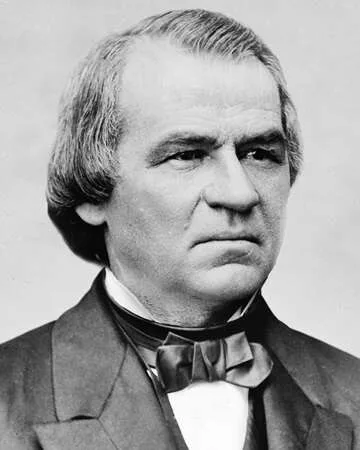
Shaping a Nation Post-Civil War
The American Civil War, a pivotal conflict involving the Northern states (Union) and the Southern states (Confederacy), concluded in April 1865. However, the complete cessation of hostilities in specific Southern states such as Alabama, Arkansas, and Florida wasn't officially recognized until President Andrew Johnson declared the end of the war in 1866. This proclamation was crucial for the reintegration of the Southern states after a period of violent strife that had an enduring impact on the nation.
Andrew Johnson's Role in Ending the Civil War
Andrew Johnson, who became the 17th President of the United States following the assassination of Abraham Lincoln, faced the monumental task of healing a fractured nation. His declaration in 1866 was instrumental in officially ending military engagements in states like Georgia and Tennessee, marking a shift towards reconstruction efforts. Johnson's policies, however, faced criticism for being too lenient towards the former Confederates, raising questions about the future of civil rights for freed slaves.
Military and Political Climate in Southern States
The military presence in the South decreased significantly following Johnson’s peace declaration. However, the political climate remained tense, as many former Confederates sought to regain power. The challenges of reestablishing governance in states like Louisiana and Mississippi highlighted the complexities of the post-war recovery and the deep scars left by the conflict.
The Reconstruction Era Begins
The period following the end of the Civil War, known as the Reconstruction Era, was marked by significant upheaval as the nation aimed to rebuild. Johnson's vision for reconstruction soon clashed with Congress, leading to his impeachment and a power struggle that defined this turbulent time in American history.
Challenges Faced During Reconstruction
The Reconstruction required not only the reintegration of Southern states but also the redefining of civil rights for African Americans. In states like South Carolina and Virginia, former slaves sought rights and protections, leading to a societal struggle that would morph into the Civil Rights Movement decades later.
Johnson's Policies and Their Impact
The policies implemented during Johnson's presidency were controversial. While aiming to restore the Union, his vetoes against civil rights legislation alienated him from Congress, leading to a more radical approach to Reconstruction. This political standoff has had lasting implications for American governance and civil rights.
Fun Fact
The Secret War of Reconstruction
While the Civil War officially ended, many individuals in the South engaged in clandestine resistance, forming groups like the Ku Klux Klan to combat the new realities of Reconstruction and African American rights. This insurgency added a layer of complexity to the post-Civil War landscape.
Additional Resources
Recommended Reading on Andrew Johnson and Reconstruction
For those interested in exploring this transformative period further, consider reading “The Fiery Trial: Abraham Lincoln and American Slavery” by Eric Foner or “Reconstruction: America's Unfinished Revolution, 1863-1877” by Eric Foner for a deeper understanding of the era.










 Continue with Google