


Overview of the 'Rivers of Blood' Speech
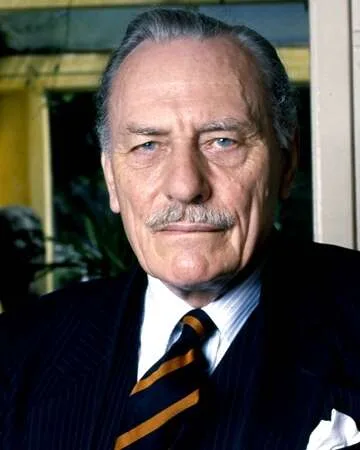
On April 20, 1968, British politician Enoch Powell delivered a speech in Birmingham that would become one of the most debated and controversial moments in modern British political history. Known as the "Rivers of Blood" speech, Powell's remarks focused on immigration and the challenges he believed it posed to British society. His passionate and incendiary language shocked many and ignited widespread discussion about race relations in the UK.
The Context Behind Enoch Powell's Speech
Enoch Powell was a member of the Conservative Party and served as the Shadow Minister for Health. At the time, the UK was experiencing increased immigration from former colonies, particularly from the Caribbean and South Asia. Powell's comments reflected a growing anxiety about this demographic change, which he expressed with vivid and alarming metaphors, warning of social unrest and violence.
The Content of the 'Rivers of Blood' Speech
In his address, Powell infamously cited the lines from the Roman poet Virgil, declaring that he saw "the rivers of blood" that would flow if immigration continued unchecked. He painted a picture of a future Britain where communities would be torn apart, tensions would rise, and the fundamental fabric of society would be at risk. His rhetoric was highly emotive, designed to provoke a strong reaction from his audience.
The Aftermath and Public Reaction
The fallout from the 'Rivers of Blood' Speech was immediate and intense. Public reaction was polarized; some supported Powell and admired his forthrightness, while others condemned his views as racist and inflammatory. The speech caused a significant rift within the Conservative Party and led to Powell's dismissal from his position as Shadow Minister.
Supporters of Powell's Viewpoints
Many who supported Powell's assessments of immigration policies shared his belief that the government was ignoring the societal challenges posed by large-scale immigration. They viewed his decisive stance as being in touch with the concerns of ordinary citizens who felt their communities were changing too rapidly.
Opponents of Powell's Rhetoric
On the contrary, numerous politicians, activists, and citizens spoke out against Powell, arguing that his inflammatory language would only serve to foster division and encourage racial hatred. The speech is frequently cited as an example of dangerous populism and has been studied extensively in discussions about race relations in contemporary Britain.
Fun Fact
Enoch Powell and His Political Legacy
Despite his controversial views, Enoch Powell remains a significant figure in British political history. His speech has had a lasting impact on the political discourse surrounding immigration and race relations in the UK, often invoked during debates about similar issues that arose in later years.
Additional Resources
Recommended Reading on Enoch Powell
For those interested in a deeper dive into Enoch Powell's legacy and the implications of his speech, consider reading "Enoch Powell: The Man and His Ideas" by *Brian McAuley*, and "Rivers of Blood: The Aftermath of Enoch Powell’s Speech" by *Richard Vinen*.



 Continue with Google