


The Birth of the Bureau of Refugees, Freedmen, & Abandoned Lands
The establishment of the Bureau of Refugees, Freedmen, & Abandoned Lands in 1865 marked a pivotal moment in American history, catalyzed by the turmoil of the Civil War and the urgent need to address the welfare of freed slaves in the South. Spearheaded by President Abraham Lincoln, the Bureau was created to assist those affected by the war, particularly the newly emancipated African Americans striving for a new life away from the bondage of slavery. This institution was designed to provide critical support in various forms such as education, healthcare, and employment opportunities.
Lincoln, with immense understanding of the challenges faced by these individuals, envisioned the Bureau as a means to achieve social justice and aid in their transition. The Bureau not only represented a response to immediate humanitarian needs but also underscored a broader commitment to integrate freed blacks into society as active participants.
Abraham Lincoln and the Bureau's Formation
President Lincoln’s leadership was central to the Bureau's creation. As the nation grappled with its identity post-Civil War, Lincoln recognized the necessity of providing a structured system for assisting freedmen. The Bureau sought to promote the welfare of African Americans, focusing on civil rights and economic opportunities which had been systematically denied to them. Lincoln’s vision was clear: he aimed to help these individuals achieve independence and self-sufficiency.
The Role of the Bureau in American Society
The Bureau played a critical role in laying the foundation for future civil rights advancements. By addressing immediate needs, it set a precedent for government involvement in social welfare issues. This initiative was indicative of Lincoln's legacy and his commitment to justice, significantly influencing the social dynamics of the post-war era.
Functions and Achievements of the Bureau
The Bureau of Refugees, Freedmen, & Abandoned Lands was tasked with an array of responsibilities that revolved around assisting freedmen and other war refugees. Its main role was to help provide food, shelter, and healthcare to those in need, but it also facilitated land redistribution and the establishment of schools for education. This comprehensive approach aimed to empower African Americans, fostering an environment for personal growth and societal contribution.
Education Initiatives by the Bureau
One of the most impactful areas of focus was education. The Bureau established schools across the South, employing thousands of teachers—many of whom were from the North. These schools empowered African Americans by providing access to education, which was crucial for their assimilation into society and the economy.
Challenges Faced by the Bureau
Despite its noble goals, the Bureau encountered numerous challenges, including financial constraints and hostility from former Confederates. Political opposition severely undermined its efforts, and as the nation moved toward Reconstruction, many of the Bureau's initiatives were curtailed, demonstrating the complexities of enacting social reform in a divided nation.
Fun Fact
Lincoln's Vision and Its Lasting Impact
Did you know that the Bureau served as a precursor to several civil rights organizations? Its establishment highlighted the federal government's role in protecting the rights of African Americans, influencing future movements advocating for equality.
Additional Resources
Recommended Reading on the Bureau's Legacy
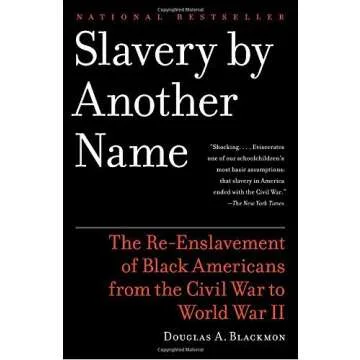
For those interested in delving deeper into this transformative period, consider reading “The Freedmen's Bureau: Reconstructing the American South's War-Torn Society” by Paul A. Cimbala and “A Short History of Reconstruction” by E. Merton Coulter. These works provide extensive insights into the Bureau’s operations and impact on American society.




 Continue with Google