


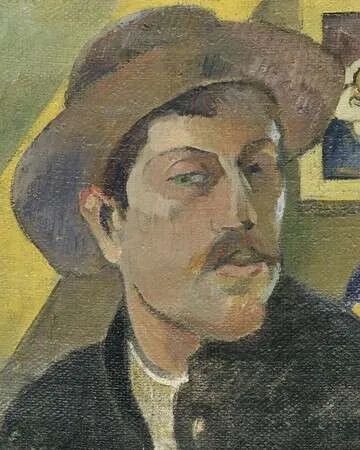
The Departure of Paul Gauguin to Tahiti
In 1891, the renowned French painter Paul Gauguin made a life-changing decision to leave the bustle of Europe behind and embark on a journey to Tahiti. This moment marked a significant turning point not only in Gauguin's life but also in the evolution of modern art. Seeking inspiration and a reprieve from the constraints of European civilization, Gauguin aimed to capture the beauty and simplicity of life in the South Seas.
Paul Gauguin's Artistic Decline in France
Before setting sail for Tahiti, Gauguin faced many struggles in France. Despite being surrounded by the artistic innovations of the Impressionist movement, he felt increasingly alienated from his contemporaries. His frustration with the socio-cultural climate in Europe prompted his decision to find a new muse across the ocean.
The Influence of Tahiti on Gauguin's Art
Upon arrival in Tahiti, Gauguin was enchanted by the landscape and the native culture. He sought to depict the vibrant colors, exotic landscapes, and spiritual presence of the islanders through his art. His works began to incorporate bold colors, flat patterns, and symbolism, marking a departure from the traditional styles popularized in Europe.
The Significance of Gauguin's Experience
Gauguin's time in Tahiti was pivotal in shaping his artistic identity and vision. The vibrant culture, rich traditions, and natural beauty of the island provided him with endless inspiration, leading to the creation of some of his most famous pieces.
Gauguin’s Masterpieces from Tahiti
During his stay in Tahiti, Gauguin produced stunning artworks that would later define his career. Works such as "Where Do We Come From? What Are We? Where Are We Going?" showcased his dedication to exploring themes of existence and cultural identity, revealing his fascination with the island's indigenous people.
The Return to France and Legacy
Although Gauguin eventually returned to France in 1893, the impact of his time in Tahiti lingered throughout his subsequent works. The island not only influenced his artistic style but also cemented his status as a pioneer of Post-Impressionism and a precursor to modern artistic movements.
Fun Fact
Gauguin's Tahitian Influence
Did you know that Paul Gauguin's experiences in Tahiti laid the groundwork for the development of Primitivism in art? His fascination with the island's culture sparked a movement that encouraged many European artists to explore non-Western art forms.
Additional Resources
Recommended Reading on Paul Gauguin
If you're interested in learning more about Paul Gauguin and his incredible journey, consider reading "Noa Noa", which is Gauguin's own account of his experiences in Tahiti, or "Gauguin: Artist of the Sacred" for a deeper analysis of his artistic contributions.






 Continue with Google