


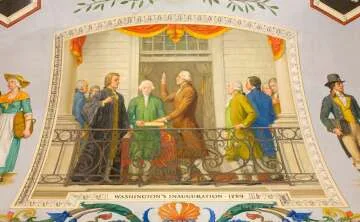
Historic Inauguration at Federal Hall
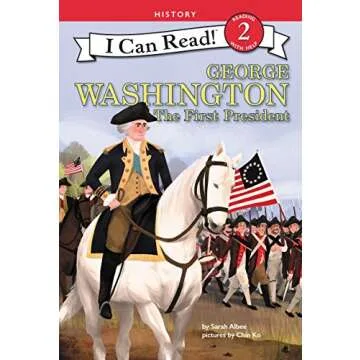
On April 30, 1789, a significant chapter in American history commenced as George Washington was inaugurated as the first President of the United States. This momentous event took place at Federal Hall in New York City, marking the beginning of a new government that had been formed following the ratification of the Constitution. Washington's election was a unanimous choice by the Electoral College, reflecting the widespread admiration and trust he commanded among the American populace.
The Significance of George Washington's Presidency
Washington's presidency was crucial in setting the precedent for the executive office and the governance of a fledgling nation. His leadership style emphasized values of unity, integrity, and strong leadership, pivotal in guiding the country through its early challenges. Washington's decision to step down after two terms established a tradition that would prevail for generations, reinforcing the principle of democracy in the United States.
Historical Context of the Inauguration
The inauguration itself was steeped in symbolism and tradition. Washington took the oath of office administered by Robert Livingston, a former member of the Continental Congress. His memorable words, “I do solemnly swear,” resonated throughout the gathered crowd, embodying the hope and future responsibility placed upon his shoulders by the American people.
Establishing a New Nation
Washington's presidency was more than just a ceremonial role; it was about laying the foundations for the new government. He faced numerous challenges, including the establishment of a federal financial system and the creation of a cabinet. His leadership during this critical time helped to stabilize and solidify the nation.
Washington's Cabinet and Governance
In forming his cabinet, Washington selected key figures like Alexander Hamilton as Treasury Secretary and Thomas Jefferson as Secretary of State, reflecting his desire to unite diverse political views and opinions. This demonstrated Washington's commitment to collaboration and governance that would benefit the country as a whole.
The Role of Public Perception
The public's perception of Washington also played a significant role in his administration. His status as a national hero from the Revolutionary War made him a consensus leader who represented the ideals and aspirations of the American people. The love and respect he garnered were crucial in navigating the political divisions that emerged in the early days of the Republic.
Fun Fact
George Washington’s Interesting Fact
Aside from his political legacy, did you know that George Washington was also a talented surveyor? Before becoming a general and then president, he laid much of the groundwork for his country's mapping and land surveying, which showcased his skill and foresight.
Additional Resources
Recommended Reading on George Washington
For those interested in learning more about the life and impact of George Washington, I recommend "Washington: A Life" by Ron Chernow and "His Excellency: George Washington" by Joseph J. Ellis. These books provide profound insights into his character, leadership, and the era he shaped.







 Continue with Google