


A Significant Moment in Religious History
In 1986, a remarkable event unfolded in India when the Dalai Lama met with Pope John Paul II. This meeting was not just a personal encounter but represented a pivotal moment for interfaith dialogue. Both leaders, known for their spiritual guidance, compassion, and advocacy for peace, came together to discuss critical issues affecting humanity, including the pursuit of peace, tolerance, and understanding among diverse faiths.
This meeting took place against a backdrop of geopolitical tension, particularly in Tibet, where the Dalai Lama had been in exile since fleeing to India in 1959 following the Chinese invasion. The Pope, who was deeply engaged in global diplomacy, saw the importance of promoting dialogue between different religious traditions, especially in an era where conflicts often had religious undertones.
The Dalai Lama's Role and Philosophy
His Holiness the Dalai Lama, born in 1935 in Tibet, has always emphasized the need for compassion and understanding among people of all beliefs. His meeting with Pope John Paul II symbolized a call for action against intolerance and a plea for peaceful coexistence. By bringing issues such as human rights and religious freedom to the forefront, the Dalai Lama used this platform to advocate for the Tibetan people's plight.
Pope John Paul II's Commitment to Dialogue
Pope John Paul II, who served as Pope from 1978 to 2005, was known for his outreach to other religions. This meeting marked a significant continuation of his efforts to foster connections with leaders of various faiths, thereby promoting mutual respect and understanding. The Pope was particularly interested in the Dalai Lama's perspective on the importance of spirituality and non-violence in addressing modern challenges.
Impact on Interfaith Relations
The encounter between the Dalai Lama and the Pope had far-reaching implications for interfaith relations. It encouraged religious leaders around the world to engage in dialogues aimed at resolving conflicts through understanding rather than aggression. Their joint message emphasized the humanitarian responsibility shared by all faiths.
Promotion of Peace by the Dalai Lama
In their discussions, the Dalai Lama highlighted the idea that true peace is achieved through the promotion of human rights and individual dignity, concepts resonating deeply with the Pope's teachings about the sanctity of life. Their similar philosophies offered a united front advocating for humanitarian issues.
Shared Values Between Faiths
The meeting also underscored the shared values and teachings of Buddhism and Christianity, particularly in relation to love, compassion, and service to humanity. It paved the way for subsequent interfaith gatherings and dialogues, illustrating how collaboration among different religious leaders can foster a more peaceful society.
Fun Fact
An Unforgettable Exchange
During their meeting, the Dalai Lama presented Pope John Paul II with a traditional Tibetan scarf as a symbol of goodwill. This gesture exemplified the spirit of openness and respect that characterized their historic encounter.
Additional Resources
Recommended Reading on the Dalai Lama and Pope John Paul II
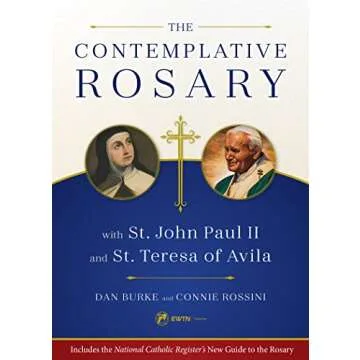
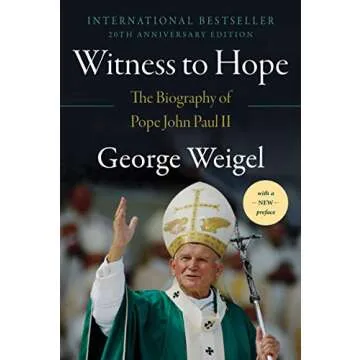
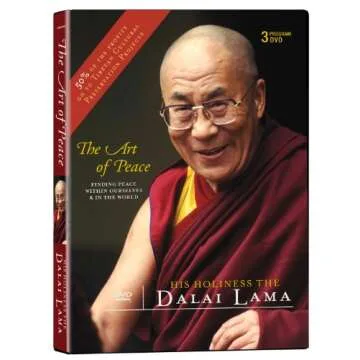
For those interested in learning more about these influential figures, explore The Art of Happiness by the Dalai Lama and Crossing the Threshold of Hope by Pope John Paul II. Both books provide profound insights into their philosophies and teachings.
![[ BEYOND RELIGION: ETHICS FOR A WHOLE WORLD ] BY Dalai Lama, H H ( Author ) [ 2012 ] Paperback](https://assets.giftpals.com/assets/uc/Gift/G8pYnRYH9ERJ/1/thumbnail_default_1.webp?s7fOOJHg1tuo)





 Continue with Google