


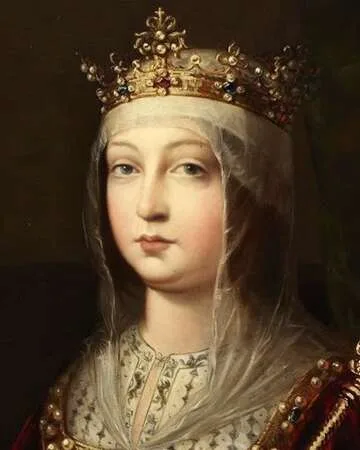
Isabella I of Castile: Queen and Visionary
Isabella I of Castile (1451-1504) is one of the most significant figures in the history of Spain. Born in Madrigal de las Altas Torres, she ascended to the throne in 1479 after marrying Ferdinand II of Aragon. Together, they united their kingdoms and began a legacy that would reshape the foundation of Spain and its role in world exploration.
The Marriage that Changed History
The marriage of Isabella and Ferdinand was not just a personal union but a political alliance that helped to consolidate power in Spain. This partnership laid the groundwork for the unification of the Spanish kingdoms and ultimately paved the way for Spain to become a major European power.
Patron of Exploration: Christopher Columbus
Perhaps most famously, Isabella is known for her role as the patron of Christopher Columbus. In 1492, she financed Columbus's expedition, which led to the discovery of the Americas. This monumental event changed the course of history and marked the beginning of extensive overseas exploration and colonization by Spain.
The Spanish Inquisition: A Controversial Legacy
Alongside her husband, Ferdinand, Isabella initiated the Spanish Inquisition, aiming to maintain Catholic orthodoxy within their realms. While intended to unify their kingdoms under a single faith, the Inquisition is often remembered as a dark period characterized by persecution and oppression.
The Motives Behind the Inquisition
The setting up of the Inquisition was driven by Isabella's desire to consolidate power and eliminate dissent within her territories. She believed that a unified religious identity was essential for political stability.
Impact on Spanish Society
The Spanish Inquisition profoundly impacted Spanish society, instilling fear among non-Catholics and leading to widespread displacement. Isabella's legacy is complex, featuring both the promotion of exploration and contentious methods of control.
Fun Fact: A Legacy Beyond Borders
Isabella's Interesting Fact
Despite the controversies surrounding her reign, Isabella was also an advocate for education and the arts, promoting a cultural renaissance in Spain that continued to flourish long after her death.
Additional Resources
Recommended Reading on Isabella I of Castile
To delve deeper into the life and impact of Isabella I, consider reading "Isabella of Castile: Spain's Inquisitor Queen" by R. H. Wilkins or "Isabella: The Warrior Queen" by laura de la Huerta.






 Continue with Google