


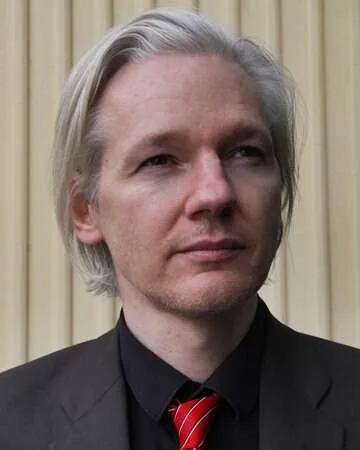
Julian Assange's Arrest from the Ecuadorian Embassy
On April 11, 2019, in a dramatic encounter that highlighted the ongoing tensions surrounding press freedom and state power, WikiLeaks founder Julian Assange was forcibly removed from the Ecuadorian embassy in London. After spending nearly seven years in asylum, Assange’s exit from the embassy marked a pivotal moment not just for him personally, but also for the broader implications surrounding the right to publish classified information.
The incident unfolded when British police entered the embassy, following the Ecuadorian government’s decision to revoke Assange’s asylum status. This action was a culmination of years of growing frustration from Ecuador over Assange’s prolonged stay and activities that officials claimed involved interference in their diplomatic affairs.
Implications of Assange's Arrest
Assange’s arrest came about due to a U.S. extradition request, as he faced charges related to the publication of thousands of classified military and diplomatic documents. His apprehension sparked protests and debates about the implications for journalism and freedom of speech. For many, Assange became a symbol of the struggle between state confidentiality and the public's right to know.
The Reaction to Assange's Arrest
The reaction to Assange's removal from the embassy was swift and pronounced. Supporters viewed him as a whistleblower and a champion of transparency, while opponents criticized him for jeopardizing national security. The polarized opinions on Assange highlighted deep divisions on issues surrounding press freedom and government accountability.
The Legal Battle Following Assange's Arrest
Following Assange's arrest, he faced a series of legal challenges in both the United Kingdom and the United States. His fight against extradition to the U.S. became a focal point in ongoing discussions surrounding human rights and the treatment of journalists.
Charges Against Julian Assange
In 2019, the U.S. government charged Assange with multiple offenses, including charges under the Espionage Act for his role in publishing classified materials. These charges raised significant concerns among advocates for freedom of the press, as they viewed them as a dangerous precedent that could criminalize investigative journalism.
Advocates Respond to Extradition Efforts
Supporters of Assange campaigned vigorously against his extradition, arguing that his actions were not just those of a whistleblower but also part of a vital journalistic duty. Protests erupted in various cities, calling attention to what many saw as an attack on press liberties.
Fun Fact
The Ambiguous Legacy of Julian Assange
Despite the controversy surrounding his actions, Julian Assange’s legacy is undeniably complex. He raised questions that still reverberate today regarding the balance of security and transparency, and much of the discourse around journalism and state power is influenced by the events of 2010 and beyond.
Additional Resources
Recommended Reading on Julian Assange
For those interested in exploring Assange’s impact on journalism and national security, consider reading The WikiLeaks Files and Julian Assange: The Unauthorised Autobiography. Both works provide insight into his life, motivations, and the broader implications of his actions.











 Continue with Google