


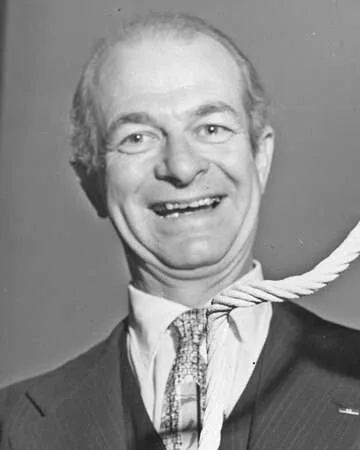
The Historic Moment: Nobel Peace Prize 1963
Linus Pauling's Nobel Peace Prize Recognition
In 1963, the distinguished American chemist Linus Pauling was awarded the Nobel Peace Prize for his relentless efforts against nuclear weapons. Pauling's activism was driven by his belief in the dire consequences of nuclear warfare and his commitment to advocating for global peace. His contributions to science and society made him a pivotal figure in the anti-nuclear movement.
The Context of the Award
Pauling's Nobel award coincided with a significant event in international diplomacy—the enactment of the first nuclear test treaty. This treaty aimed to halt the proliferation of nuclear weapons and represented the beginning of a new chapter in nuclear disarmament efforts. The timing of the award underscored the connection between science and peace, advocating that scientific advancements should serve humanity rather than threaten it.
Pauling's Legacy in Science and Activism
Linus Pauling: A Life of Science and Advocacy
Beyond his Nobel Peace Prize, Linus Pauling was also a notable chemist who developed the Pauling electronegativity scale and made groundbreaking discoveries in the field of biochemistry. His dual role as a scientist and an activist has inspired countless individuals to use their knowledge to advocate for social change and environmental safety.
Continued Influence of Anti-Nuclear Movements
Pauling's work in promoting peace and disarmament has had a lasting impact on anti-nuclear movements worldwide. His legacy lives on, influencing future generations of scientists and peace activists, and emphasizing the importance of global efforts to prevent nuclear conflict.
Fun Fact
Linus Pauling’s Interesting Fact
Linus Pauling remains one of only a few individuals to receive two unshared Nobel Prizes, having been awarded the Nobel Prize in Chemistry in 1954, in addition to his Nobel Peace Prize.
Additional Resources
Recommended Reading on Linus Pauling
For those intrigued by Linus Pauling's life and contributions, consider reading “No More War!” by Pauling himself and “The Life and Times of Linus Pauling” by David W. Wilkins. These works offer deeper insights into his activism and scientific achievements.






 Continue with Google