


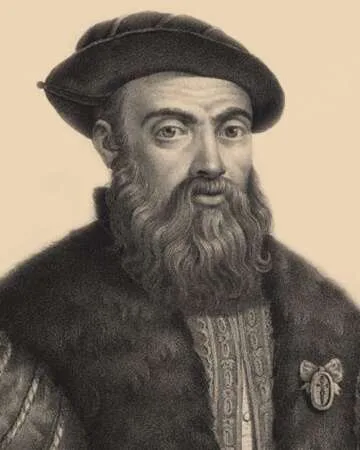
Magellan's Historic First Mass in the Philippines
In the annals of history, the First Mass held in the Philippines stands as a significant milestone, marking the arrival of Christianity in the archipelago. This event occurred on March 31, 1521, on the island of Limasawa, which is part of the Archipelago of St. Lazarus. Led by the famed explorer Ferdinand Magellan, this occasion was not merely a religious ceremony, but also a pivotal moment in the Philippines’ journey towards cultural transformation.
Magellan and his crew of around 50 men disembarked from their ships, embarking on a new chapter that would intertwine the fates of the European explorers and the local inhabitants. On this day, the Spanish made a formal declaration of possession over the island, thereby initiating the spread of Spanish influence in the region.
The Setting of Magellan's First Mass
The choice of Limasawa as the location for the First Mass was significant. This small island played host to one of the earliest encounters between the indigenous people and foreign explorers. As Magellan and his men gathered to celebrate the mass, they not only sought to fulfill their spiritual obligations but also aimed to establish a foothold in this new land.
Magellan's Leadership and Contribution
Ferdinand Magellan, the expedition leader, was a seasoned navigator known for his ambition and dedication to exploration. His role in orchestrating this momentous occasion exemplified his commitment to spreading Christianity. The mass was led by Fray Pedro Valderrama, marking a significant introduction of Catholicism to the Philippines. This intersection of cultures heralded the beginning of a new era.
The Impact of the First Mass
The implications of the First Mass held in the Philippines resonated far beyond that singular event. It symbolized the onset of missionary work in the region and a paradigm shift in cultural dynamics, laying the groundwork for the eventual colonization of the islands by Spain.
Cultural Transformation Through Christianity
The arrival of Christianity through the First Mass was a catalyst for profound changes in the lives of the indigenous people. It introduced new beliefs, practices, and social structures that would shape the fabric of Filipino society for centuries to come.
Magellan's Legacy in the Philippines
Although Ferdinand Magellan met a tragic end in the Philippines in 1521, his legacy continued through the rituals and traditions established during his expedition. The First Mass remains a pivotal point in Philippine history, remembered and commemorated for its significance in the nation’s spiritual and cultural identity.
Fun Fact: Magellan's First Mass Day
Celebrating a Historic Occurrence
Every year on March 31, many Filipinos commemorate the First Mass held in Limasawa, honoring the historical and spiritual significance of this event in their history.
Additional Resources
Recommended Reading on Ferdinand Magellan
For those interested in exploring more about this fascinating period, consider reading "Over the Edge of the World: Magellan's Terrifying Route to the Spice Islands" by Laurence Bergreen or "Magellan: Over the Edge of the World" by John Noble Wilford. These books delve deeper into the life of Magellan and the implications of his voyages.









 Continue with Google